Blog

  • Understanding “Keto Flu” and the Paleo Transition

    When transitioning to the Paleo diet, you might wonder whether you will experience symptoms similar to the “keto flu,” commonly associated with the ketogenic diet. While both diets involve significant changes to your eating habits, the likelihood and nature of experiencing “flu-like” symptoms can vary.

    What is Keto Flu?

    The “keto flu” refers to a collection of symptoms that some individuals experience when starting a ketogenic diet. As the body shifts from burning carbohydrates to fats for energy (a state known as ketosis), some people may encounter:

    • Headaches
    • Fatigue
    • Nausea
    • Irritability
    • Dizziness
    • Muscle cramps

    These symptoms are typically temporary and can occur as the body adapts to a low-carb, high-fat diet.

    Transitioning to the Paleo Diet

    The Paleo diet, while also focusing on whole, unprocessed foods, does not necessarily lead to ketosis. It includes a broader range of carbohydrates from fruits and vegetables, unlike the ketogenic diet, which significantly restricts carb intake. Therefore, the Paleo diet does not typically induce the same metabolic shift as keto.

    Potential Symptoms with Paleo

    While the “keto flu” is less common when transitioning to Paleo, you might still experience some adjustment symptoms, especially if your previous diet was high in processed foods and sugars. These can include:

    • Mild fatigue or lethargy as your body adjusts to a more nutrient-dense diet.
    • Digestive changes due to increased fiber intake from fruits and vegetables.
    • Cravings for sugar or processed foods as your body adapts to reduced sugar consumption.

    How to Mitigate Transition Symptoms

    1. Stay Hydrated: Ensure you drink plenty of water to support your body during the transition.
    2. Balance Electrolytes: Include foods rich in potassium, magnesium, and sodium to help maintain electrolyte balance.
    3. Gradual Transition: If you’re concerned about symptoms, consider gradually phasing out processed foods and sugars instead of making abrupt changes.
    4. Prioritize Nutrient-Dense Foods: Focus on a variety of fruits, vegetables, lean proteins, and healthy fats to provide your body with essential nutrients.
    5. Listen to Your Body: Pay attention to how your body responds and adjust your transition pace as needed.

    Conclusion

    While transitioning to the Paleo diet is unlikely to cause “keto flu,” some individuals may experience mild adjustment symptoms as their bodies adapt to a cleaner, more natural way of eating. By staying hydrated, balancing electrolytes, and focusing on nutrient-dense foods, you can ease the transition and enjoy the benefits of the Paleo lifestyle. As always, consult with a healthcare professional if you have concerns about dietary changes or experience persistent symptoms.

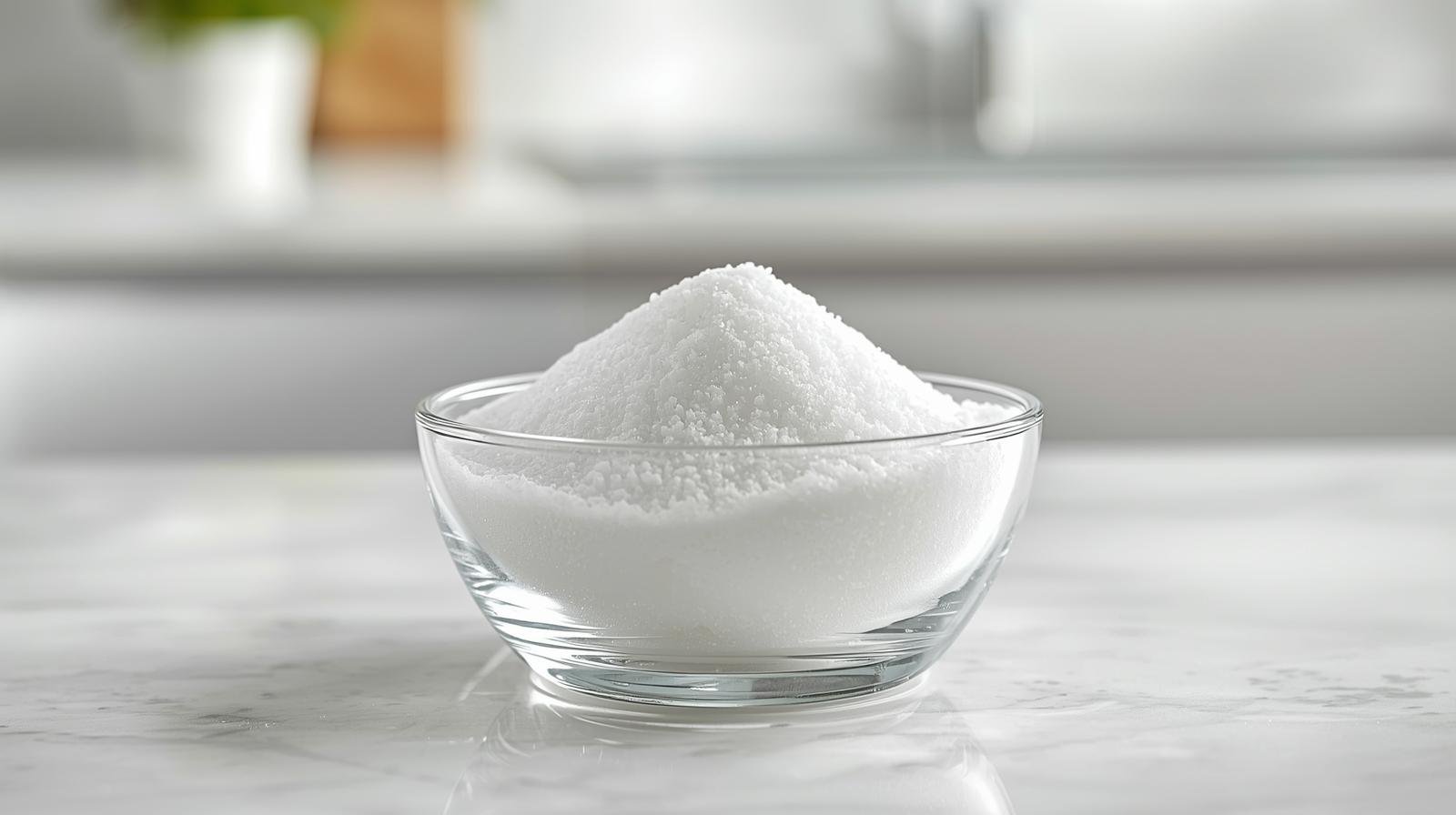
  • Why the Paleo Diet Avoids Sugar

    Cane and beet sugar, commonly known as table sugar or sucrose, are widely used sweeteners in modern diets. However, they are not considered suitable for the Paleo diet due to several reasons that align with the diet’s core principles.

    Highly Processed Nature

    Refinement Process: Both cane and beet sugars undergo extensive processing to extract and purify the sucrose. This involves several steps, including crushing, extracting, boiling, and refining, which strip away any natural nutrients present in the raw plant materials. The Paleo diet emphasizes consuming whole, unprocessed foods, which makes highly refined products like cane and beet sugar incompatible with its guidelines.

    Lack of Nutritional Value

    Empty Calories: Cane and beet sugar provide calories without any essential nutrients, earning them the label of “empty calories.” They lack vitamins, minerals, and antioxidants, contributing little to overall nutrition while adding to caloric intake. The Paleo diet prioritizes nutrient-dense foods that offer health benefits beyond mere energy.

    Impact on Health

    Metabolic Concerns: Regular consumption of cane and beet sugar is linked to various health issues, such as obesity, insulin resistance, diabetes, and heart disease. These sugars can cause rapid spikes in blood sugar and insulin levels, which the Paleo diet aims to avoid by promoting foods that support stable energy and metabolic health.

    Inconsistency with Ancestral Diet

    Agricultural Origins: The Paleo diet seeks to emulate the eating habits of Paleolithic ancestors, who did not have access to refined sugars. Instead, they consumed natural sweeteners like honey when available. Cane and beet sugar, products of agricultural development and industrial refinement, do not fit within the framework of what would have been available to early humans.

    Conclusion

    Cane and beet sugar are avoided in the Paleo diet due to their highly processed nature, lack of nutritional value, and potential negative impact on health. By focusing on natural, whole-food sweeteners and foods that align with ancestral eating patterns, the Paleo diet aims to support overall health and well-being. Individuals following this dietary approach are encouraged to seek out minimally processed sweeteners like honey, maple syrup, or date sugar, which offer more natural and nutrient-rich alternatives.

  • Allulose and the Paleo Diet

    Allulose and the Paleo Diet

    • Allulose is a relatively new sweetener on the market, often touted for its low-calorie content and minimal impact on blood sugar levels. However, its place within the Paleo diet is a topic of debate. To understand whether allulose aligns with Paleo principles, let’s explore its characteristics and how it fits into this dietary framework.

    • What is Allulose?
    • Allulose is a type of sugar found naturally in small quantities in some fruits, such as figs and raisins. It is classified as a “rare sugar” due to its limited presence in nature. Despite being a sugar, allulose provides about 90% fewer calories than sucrose (table sugar) and has a negligible effect on blood glucose and insulin levels, making it appealing for those looking to reduce sugar intake.

    • Considerations for Allulose on the Paleo Diet
      • Processing and Extraction
        • Why It’s Generally Not Allowed: Allulose is typically extracted and refined in a process that is more industrial than natural. This level of processing does not align with the Paleo diet’s emphasis on consuming whole, unprocessed foods that would have been available to our ancestors. The Paleo diet typically avoids ingredients that require significant industrial processing, which is the case with allulose.
      • Natural Occurrence vs. Industrial Production
        • Natural Presence: While allulose does occur naturally in some fruits, the quantities are too small for practical extraction. As a result, the allulose available in stores is often produced through the enzymatic conversion of fructose, derived from sources like corn. This industrial production method contrasts with the Paleo philosophy of sourcing foods as close to their natural state as possible.
      • Health and Digestive Considerations
        • Possible Digestive Effects: Allulose is generally well-tolerated in small amounts, but some individuals may experience digestive discomfort, such as bloating or diarrhea, especially when consumed in larger quantities. This potential for digestive issues is a consideration for those following a Paleo lifestyle, which emphasizes gut health.

    • Conclusion
    • Allulose’s industrial production and processing make it less suitable for the Paleo diet, which prioritizes natural, minimally processed foods. While it offers a low-calorie alternative to traditional sugars, its alignment with Paleo principles is questionable. Those following a strict Paleo lifestyle may choose to avoid allulose in favor of more traditional natural sweeteners like honey or maple syrup, which are less processed and more in line with the diet’s foundational goals.
    • Ultimately, the decision to include allulose in a Paleo diet should be based on individual preferences and health goals. Consulting with a healthcare professional or a nutritionist can provide personalized guidance on incorporating sweeteners within a Paleo framework while maintaining overall health and well-being.
    • If you determine that Allulose is a good choice for you, here is a link to one of this author’s favorite allulose.

  • Stevia on the Paleo Diet

    Stevia on the Paleo Diet

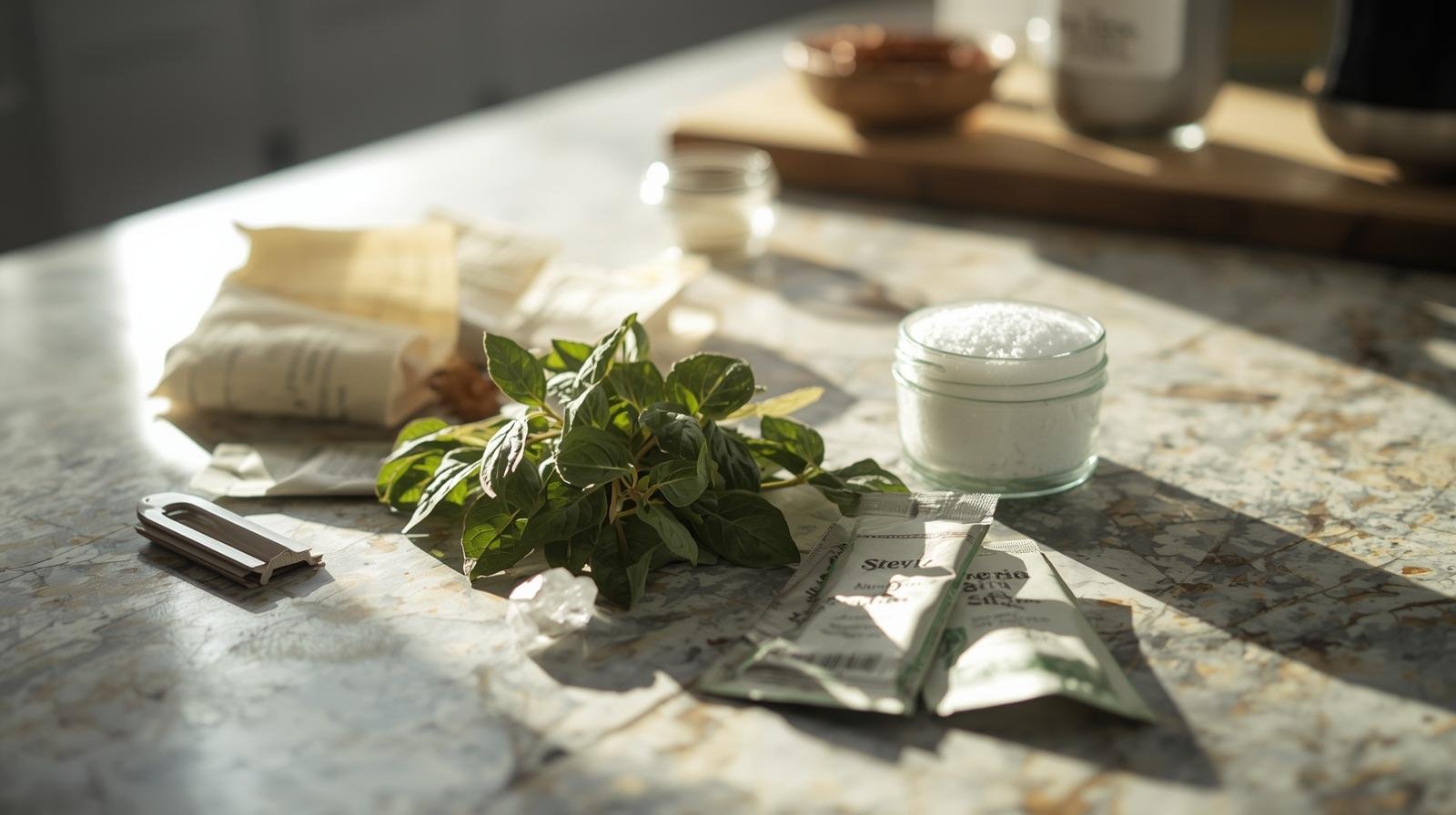
    Stevia is a natural sweetener derived from the leaves of the Stevia rebaudiana plant, and its use within the Paleo diet is often a subject of debate. While stevia is considered a more natural option compared to artificial sweeteners, the form in which it is used can significantly impact its alignment with Paleo principles.

    Dried Leaf Stevia vs. Processed Extracts

    Dried Leaf Stevia

    • Why It’s Preferred: Dried leaf stevia is the least processed form of the plant and retains the natural composition of the leaves. This form is more aligned with the Paleo diet’s focus on whole, unprocessed foods. Dried leaves can be used to sweeten beverages or dishes by steeping them, similar to tea, or by grinding them into a powder.
    • Considerations: The flavor of dried leaf stevia can be quite strong and may not dissolve as easily as more processed forms. It’s important to use it sparingly to avoid an overpowering taste.
    • Here are links to get you started: Dried leaves, Powdered leaves

    Processed Stevia Extracts

    • Why It’s Controversial: Stevia extracts, such as those found in commercial powders and liquid sweeteners, often undergo significant processing. Some products may contain additional ingredients like alcohol or other fillers, which can detract from the natural purity that the Paleo diet values.
    • Considerations: While pure stevia extract can be a convenient and potent sweetener, it is crucial to select products that do not contain additives or artificial components. Reading labels carefully can help ensure that the stevia product remains as close to its natural form as possible.

    Taste Considerations

    One common criticism of stevia is its distinct taste, which some people find to be slightly bitter or licorice-like. This flavor can be off-putting for those not accustomed to it. However, there are ways to mitigate this issue:

    • Mixing with Other Paleo Sweeteners: To balance the taste, stevia can be combined with other Paleo-friendly sweeteners, such as honey, maple syrup, date sugar or coconut sugar. This combination can create a more palatable sweetness and reduce the need for larger quantities of stevia, minimizing any aftertaste.

    Conclusion

    Stevia can be a suitable sweetener for the Paleo diet when used in its least processed form and with consideration for taste preferences. While dried leaf stevia is more closely aligned with Paleo principles, those opting for extracts should choose products with minimal processing and no additives. By experimenting with different combinations and quantities, individuals can find a sweetening solution that aligns with both the Paleo lifestyle and personal taste preferences.

  • Sweeteners on the Paleo Diet

    Sweeteners on the Paleo Diet

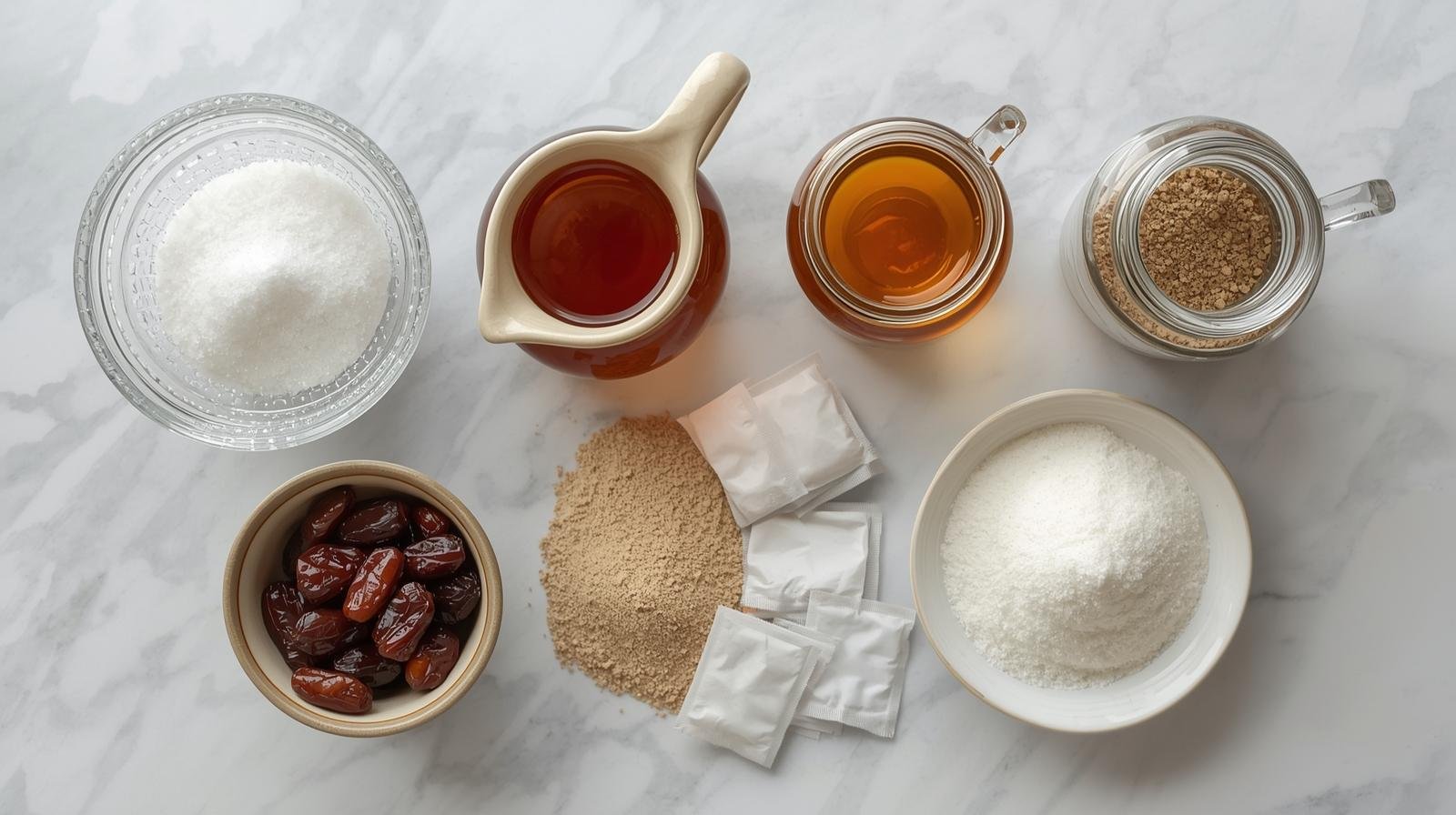
    The Paleo diet emphasizes consuming foods that would have been available to our Paleolithic ancestors, which generally means focusing on whole, unprocessed foods. When it comes to sweeteners, the Paleo diet allows for some natural options, while others are to be avoided because they do not align with the diet’s core principles.

    Sweeteners Allowed on the Paleo Diet

    1. Honey
      • Why It’s Allowed: Honey is a natural sweetener that has been used for centuries and is one of the few sweeteners considered acceptable on the Paleo diet. It is minimally processed and contains trace amounts of vitamins, minerals, and antioxidants. However, it should be consumed in moderation due to its high fructose content, which can impact blood sugar levels.
    2. Maple Syrup
      • Why It’s Allowed: Like honey, maple syrup is a natural sweetener made from the sap of maple trees. It contains some minerals like calcium and potassium, as well as antioxidants. Because it is less processed than many other sweeteners, it is occasionally used in Paleo recipes. Moderation is key, as it still has a high sugar content.
    3. Coconut Sugar
      • Why It’s Allowed: Coconut sugar is derived from the sap of coconut palm flowers. It is less refined than granulated sugar and retains some nutrients from the coconut palm, including iron, zinc, and potassium. Despite these benefits, it’s still a form of sugar and should be used sparingly.
    4. Date Sugar
      • Why It’s Allowed: Made from dried dates, date sugar is a whole-food sweetener that retains fiber and nutrients found in dates. It has a lower glycemic index compared to refined sugars, making it a suitable option for Paleo followers seeking a natural sweetener.

    Sweeteners Not Allowed on the Paleo Diet

    1. Cane Sugar
      • Why It’s Not Allowed: Cane sugar, also known as table sugar, is highly processed and stripped of nutrients. It provides empty calories and can contribute to health issues like obesity, diabetes, and heart disease, which the Paleo diet aims to prevent.
    2. Beet Sugar
      • Why It’s Not Allowed: Similar to cane sugar, beet sugar is processed and refined, offering no nutritional benefits. It is considered an industrial sweetener that would not have been available to Paleolithic humans.
    3. Agave Nectar
      • Why It’s Not Allowed: While often marketed as a healthy alternative to sugar, agave nectar is highly processed and contains a high level of fructose, which can adversely affect liver function and insulin sensitivity. Its manufacturing process is far removed from what would have been available during the Paleolithic era.
    4. Artificial Sweeteners (e.g., Aspartame, Sucralose)
      • Why They’re Not Allowed: Artificial sweeteners are chemically synthesized and highly processed, which goes against the Paleo diet’s emphasis on natural, whole foods. They can also have negative health effects and are not considered beneficial for those following a Paleo lifestyle.
    • Considerations for Erythritol and Stevia
      • Erythritol
        • Why It’s Generally Not Allowed: Erythritol is a sugar alcohol that is often found in low-calorie and low-carbohydrate products. While it is a natural compound, the process of extracting and refining erythritol makes it highly processed. This goes against the Paleo diet’s emphasis on minimally processed foods. Additionally, some people may experience digestive discomfort when consuming sugar alcohols.
      • Stevia
        • Why It’s Sometimes Considered: Stevia is a natural sweetener derived from the leaves of the Stevia rebaudiana plant. It is much sweeter than sugar and contains zero calories. Stevia is less processed than some other non-caloric sweeteners, but its acceptance in the Paleo community varies. Pure stevia extract, without additives or fillers, is sometimes used by Paleo followers who wish to minimize sugar intake. However, it’s essential to choose stevia products that are as unprocessed as possible.

    Conclusion:

    When following a Paleo diet, it’s important to focus on minimally processed, natural sweeteners in moderation. While options like honey, maple syrup, coconut sugar, date sugar, and occasionally stevia are included, it’s crucial to be mindful of their sugar content and potential impact on health. Erythritol and highly processed sweeteners typically do not fit within Paleo guidelines. By prioritizing whole foods and limiting sweetener use, individuals can better align with the principles of the Paleo diet and support overall health and well-being.

  • Comparing Popular Diets: Paleo, Keto, Mediterranean, and Atkins

    When considering a dietary plan, it’s important to understand the differences and similarities between popular diets. The Paleo, Keto, Mediterranean, and Atkins diets each offer unique approaches to nutrition and health. Here’s a comparison to help you determine which might best suit your lifestyle and health goals.

    Paleo Diet

    Overview: The Paleo diet focuses on emulating the eating habits of our Paleolithic ancestors by consuming whole, unprocessed foods. It excludes grains, legumes, dairy, and processed foods.

    Key Components:

    • Emphasizes: Fruits, vegetables, lean meats, fish, nuts, and seeds.
    • Avoids: Grains, legumes, dairy, refined sugars, and processed foods.
    • Health Benefits: Potential for weight management, improved metabolic health, and reduced inflammation.
    • Considerations: Can be restrictive and may require careful meal planning to ensure nutrient balance.

    Keto Diet

    Overview: The ketogenic diet is a high-fat, low-carbohydrate diet designed to induce ketosis, a metabolic state where the body burns fat for energy instead of carbohydrates.

    Key Components:

    • Emphasizes: High-fat foods like oils, nuts, and avocados, moderate protein, and very low carbohydrates.
    • Avoids: High-carb foods like grains, sugars, and starchy vegetables.
    • Health Benefits: Potential for rapid weight loss, improved insulin sensitivity, and enhanced mental clarity.
    • Considerations: Can be challenging to maintain long-term and may require monitoring of macronutrient intake to achieve ketosis.

    Mediterranean Diet

    Overview: Inspired by the traditional dietary patterns of countries bordering the Mediterranean Sea, this diet emphasizes heart-healthy fats and a variety of plant-based foods.

    Key Components:

    • Emphasizes: Fruits, vegetables, whole grains, olive oil, fish, and moderate wine consumption.
    • Avoids: Excessive red meat, refined grains, and processed foods.
    • Health Benefits: Associated with reduced risk of heart disease, improved longevity, and overall well-being.
    • Considerations: Less restrictive, making it easier to adhere to long-term, but may involve more meal preparation.

    Atkins Diet

    Overview: The Atkins diet is a low-carbohydrate diet similar to keto, but with a phased approach that gradually increases carb intake.

    Key Components:

    • Emphasizes: Protein and fat, with an initial focus on very low carbohydrates, gradually reintroducing them over time.
    • Avoids: Initially restricts carbohydrates, then slowly reintroduces them in later phases.
    • Health Benefits: Can lead to weight loss and improved blood sugar levels.
    • Considerations: The phased approach provides flexibility, but initial phases can be restrictive.

    Choosing the Right Diet

    When selecting a diet, consider these factors:

    1. Health Goals: Are you aiming for weight loss, improved metabolic health, or cardiovascular benefits?
    2. Lifestyle: Do you prefer a structured or flexible eating plan? Are you comfortable with meal prep?
    3. Dietary Preferences: Are you willing to eliminate certain food groups? Do you prefer plant-based or animal-based foods?
    4. Long-term Sustainability: Can you maintain this diet long-term without feeling restricted?

    Conclusion

    Each diet has its own strengths and challenges, and the best choice depends on your individual needs and lifestyle. Consulting with a healthcare professional or registered dietitian can provide personalized guidance to help you make an informed decision.

  • Oxalates and the Paleo Diet

    Oxalates are naturally occurring compounds found in a variety of plant foods, and they are an important consideration for those following the Paleo diet. Understanding oxalates and their potential effects can help individuals make informed dietary choices while adhering to Paleo principles.

    What Are Oxalates?

    Oxalates, or oxalic acid, are organic acids found in many plants. They can bind with minerals such as calcium and form crystals, which may lead to health issues like kidney stones in susceptible individuals. Common foods high in oxalates include spinach, beets, nuts, seeds, and certain fruits and vegetables.

    Oxalates in Paleo-Friendly Foods

    Many foods encouraged in the Paleo diet contain oxalates, including:

    • Leafy Greens: Spinach and Swiss chard are nutrient-dense but high in oxalates.
    • Nuts and Seeds: Almonds and sesame seeds are popular in Paleo diets but also contain oxalates.
    • Sweet Potatoes: While a Paleo superfood, sweet potatoes do have moderate oxalate levels.

    Health Considerations

    While oxalates are generally harmless for most people, those with a predisposition to kidney stones or other health conditions may need to monitor their intake. Symptoms to watch for include digestive discomfort or signs of kidney stones, such as severe pain or blood in the urine.

    Managing Oxalate Intake

    If you’re concerned about oxalates, here are some strategies to help manage your intake while following the Paleo diet:

    1. Balance Your Diet: Incorporate a variety of low-oxalate vegetables such as kale, broccoli, and cauliflower to balance your nutrient intake.
    2. Stay Hydrated: Drinking plenty of water can help dilute oxalates and reduce the risk of kidney stone formation.
    3. Calcium-Rich Foods: Consuming calcium-rich foods like sardines or incorporating small amounts of dairy (if tolerated) can help bind oxalates in the gut, reducing absorption.
    4. Cooking Techniques: Boiling high-oxalate vegetables like spinach can significantly reduce their oxalate content.

    Conclusion

    For most individuals following the Paleo diet, oxalates are not a significant concern. However, those with specific health issues should consider monitoring their oxalate intake and consult with a healthcare professional for personalized advice. By focusing on a balanced and diverse array of foods, you can enjoy the benefits of the Paleo diet while managing oxalate consumption effectively.

  • Is the Paleo Diet Right for You?

    Is the Paleo Diet Right for You?

    Deciding whether the Paleo diet is suitable for you involves considering various factors, including your health goals, lifestyle, and dietary preferences. Here’s a guide to help you determine if this dietary approach aligns with your needs.

    Health Goals

    1. Weight Management: If your primary goal is weight loss or maintaining a healthy weight, the Paleo diet’s emphasis on whole, unprocessed foods and lean proteins might be beneficial. Its focus on high-fiber vegetables and healthy fats can help increase satiety and control appetite.
    2. Improved Metabolic Health: For those looking to improve metabolic markers such as blood sugar and cholesterol levels, the Paleo diet’s reduction of refined sugars and processed foods can be advantageous.
    3. Reduced Inflammation: Individuals aiming to reduce inflammation might find relief in the Paleo diet, as it cuts out processed foods and emphasizes anti-inflammatory foods like fish, nuts, and leafy greens.

    Lifestyle Considerations

    1. Simplicity and Structure: If you prefer a diet with clear guidelines and a focus on natural foods, the Paleo diet’s structure can provide a straightforward approach to eating.
    2. Cooking and Meal Prep: The Paleo diet often requires cooking meals from scratch using fresh ingredients. If you enjoy cooking and meal prep, this diet might suit your lifestyle. However, if you have a busy schedule or limited access to fresh produce, it might be challenging.
    3. Social and Cultural Factors: Consider your social life and cultural food practices. The Paleo diet can be restrictive, making it challenging in social settings or when dining out. Evaluate whether you’re comfortable adapting or compromising in these situations.

    Dietary Preferences

    1. Preference for Whole Foods: If you enjoy whole, natural foods and are willing to eliminate grains, legumes, and most dairy, the Paleo diet may be a good fit.
    2. Flexibility: Consider whether you’re open to modifying traditional recipes and finding Paleo-friendly substitutes for your favorite foods. If you’re enthusiastic about trying new ingredients and cooking methods, you may thrive on this diet.

    Personalized Advice

    Before making any significant dietary changes, it’s essential to consult with a healthcare professional or a registered dietitian. They can provide personalized advice based on your health history, nutritional needs, and lifestyle.

    Conclusion

    The Paleo diet offers a framework for eating that emphasizes whole, unprocessed foods, which can potentially lead to various health benefits. However, it may not suit everyone due to its restrictive nature and the need for careful meal planning. Assess your goals, lifestyle, and preferences to determine if the Paleo diet is the right choice for you.

  • What About Beans on the Paleo Diet?

    What About Beans on the Paleo Diet?

    Beans, including lentils, chickpeas, and various other legumes, are generally avoided in the Paleo diet. This exclusion stems from several factors related to their composition and the guiding principles of the diet.

    Reasons for Exclusion

    1. Antinutrients

    Beans contain compounds known as antinutrients, such as lectins and phytic acid, which can interfere with nutrient absorption. Lectins are proteins that can bind to the lining of the gut, potentially leading to digestive issues or inflammation. Phytic acid, on the other hand, can reduce the absorption of essential minerals like iron, zinc, and calcium.

    2. Digestive Concerns

    Legumes are known to contain oligosaccharides, a type of carbohydrate that is difficult for the human digestive system to break down. This can lead to bloating, gas, and discomfort, especially in individuals with sensitive digestive systems or those unaccustomed to consuming legumes regularly.

    3. Agricultural Origins

    The Paleo diet is based on consuming foods that were available to our Paleolithic ancestors, long before the advent of agriculture. Beans, being a product of agricultural development, are considered inconsistent with the foods that would have been available during the Paleolithic era.

    4. High Carbohydrate Content

    While beans are a source of protein, they are also relatively high in carbohydrates compared to other protein sources favored by the Paleo diet, such as lean meats and fish. This higher carbohydrate content can be a concern for those aiming to manage their carbohydrate intake more strictly.

    Considerations

    While the Paleo diet advises against beans, it’s important to recognize that they are a nutritious food for many people outside of this dietary framework. They are rich in fiber, protein, and essential nutrients. However, for those strictly adhering to a Paleo lifestyle, the focus remains on consuming foods believed to align more closely with ancestral eating patterns. As always, individuals should tailor their dietary choices to their specific health needs and consult with healthcare professionals as necessary for personalized advice.

  • Easy Paleo Swaps to Stay on Track for the Holidays

    Easy Paleo Swaps to Stay on Track for the Holidays

    The holiday season is often synonymous with indulgent meals and treats that can make it challenging to adhere to dietary preferences like the Paleo diet. However, with a few simple swaps, you can enjoy the festive flavors while staying true to your Paleo lifestyle.

    Appetizers and Snacks

    1. Swap Cheese Platters for Veggie Trays
      Instead of traditional cheese platters, create vibrant veggie trays with an array of fresh, colorful vegetables like bell peppers, cucumbers, and cherry tomatoes. Pair them with a homemade Paleo-friendly dip, such as guacamole or almond butter.
    2. Replace Crackers with Nut and Seed Crisps
      Instead of grain-based crackers, opt for crisps made from nuts and seeds. They provide the crunch you crave and are rich in healthy fats and protein.

    Main Dishes

    1. Use Cauliflower Rice Instead of Traditional Rice
      For stuffing or as a side, use cauliflower rice in place of regular rice. It’s easy to make at home by grating fresh cauliflower or purchasing pre-riced options from the store.
    2. Choose Zucchini Noodles Over Pasta
      For dishes typically served with pasta, spiralize zucchini to create a light and nutritious alternative. Zoodles pair well with a variety of sauces and toppings.

    Sides

    1. Opt for Sweet Potato Mash Instead of Mashed Potatoes
      Swap out regular mashed potatoes for a sweet potato mash. Enhance the flavor with coconut milk and a touch of cinnamon for a delightful twist.
    2. Select Roasted Veggies Instead of Bread Stuffing
      Instead of traditional bread-based stuffing, roast a medley of vegetables such as Brussels sprouts, carrots, and butternut squash. Season with herbs like rosemary and thyme for a festive touch.

    Desserts

    1. Bake with Almond Flour Instead of Wheat Flour
      When baking holiday treats, use almond flour as a substitute for wheat flour. It provides a nutty flavor and is suitable for a variety of Paleo desserts.
    2. Choose Dark Chocolate Over Milk Chocolate
      For chocolatey treats, opt for dark chocolate with a high cocoa content (70% or more) to avoid dairy and refined sugars. Pair with nuts or berries for a satisfying dessert.

    Beverages

    1. Savor Herbal Teas Over Sugary Drinks
      Replace sugary beverages with herbal teas or infused water. Add slices of citrus fruits, fresh mint, or berries for a refreshing holiday twist.
    2. Craft Paleo-Friendly Mocktails Instead of Cocktails
      Create mocktails using sparkling water, fresh fruit juices, and herbs. This allows you to enjoy festive flavors without the added sugars and alcohol.

    By incorporating these easy swaps into your holiday menu, you can continue to enjoy festive gatherings while maintaining your commitment to the Paleo diet. These alternatives not only align with Paleo principles but also bring a fresh and healthy twist to traditional holiday fare.

  • Essential Paleo Holiday Kitchen Tools

    Must-Have Basics

    Links to suggestions, but certainly look at options and purchase what you feel works best for your needs. The selected items are either what we actually use, similar too, or it’s on our wish list. Some links may be affiliate links, which is how we are able to keep our info free to you.

    Nice-to-Haves

    Air fryer — for ultra-crispy sides and delicious leftovers

  • Why Sweet Potatoes Are a Paleo Superfood

    Why Sweet Potatoes Are a Paleo Superfood

    Sweet potatoes are nutrient-dense, naturally sweet, and versatile — the perfect Paleo staple.

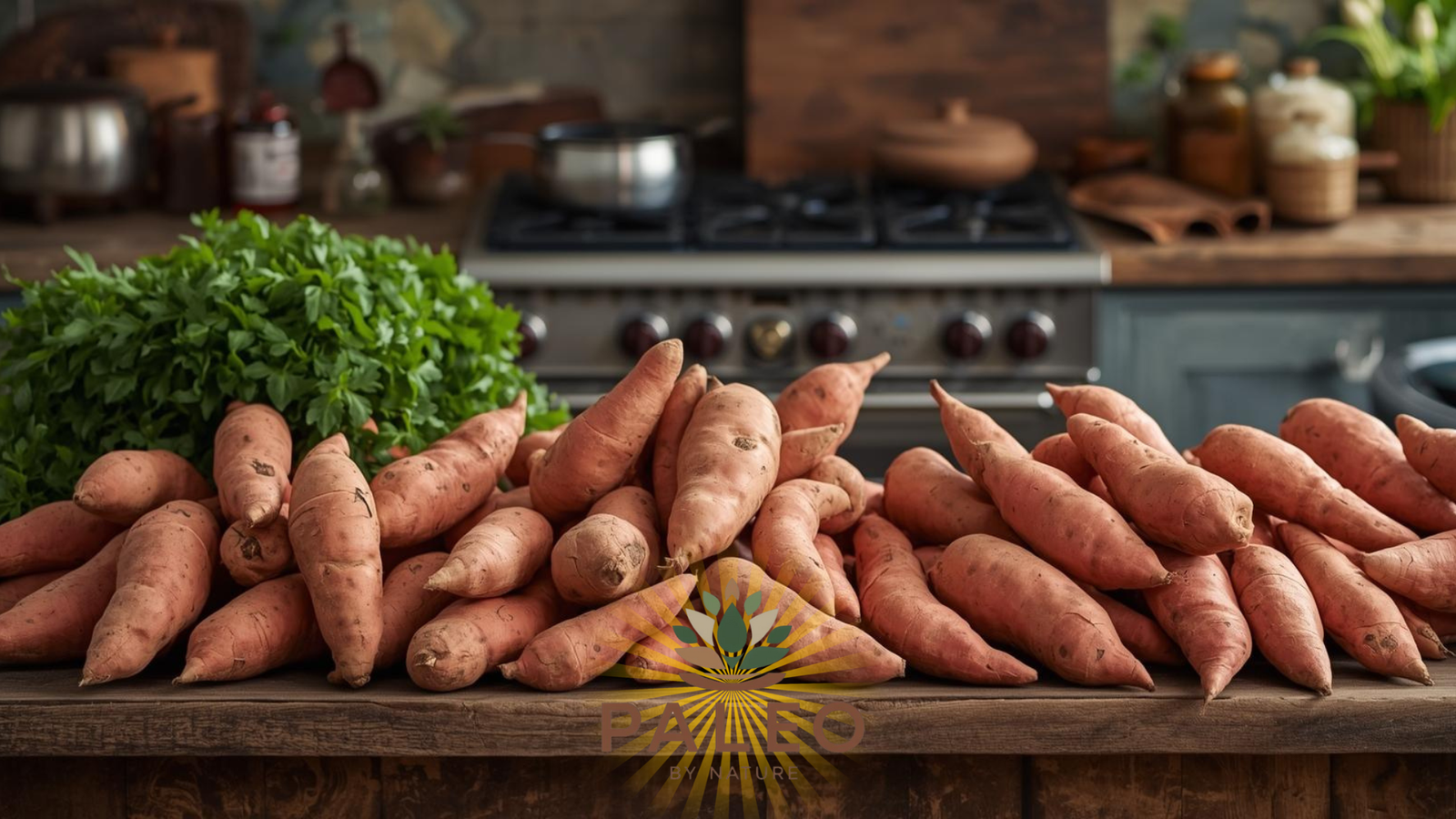
    Sweet potatoes have earned their place as a beloved staple in the Paleo diet, often regarded as a “superfood” due to their numerous health benefits and nutritional profile. Let’s delve into why these root vegetables are so highly regarded within the Paleo community.

    Nutrient-Rich Profile

    Sweet potatoes are packed with essential nutrients that make them an excellent choice for those following the Paleo diet:

    • Vitamins and Minerals: They are rich in vitamin A, which supports vision and immune function, and provide a good amount of vitamin C, potassium, and manganese.
    • Antioxidants: The vibrant orange color of sweet potatoes is due to beta-carotene, a powerful antioxidant that converts to vitamin A in the body, helping to combat oxidative stress.
    • Fiber: Sweet potatoes are a good source of dietary fiber, which aids digestion and helps maintain a healthy gut.

    Energy and Satiety

    The natural carbohydrates in sweet potatoes provide a steady source of energy, making them ideal for active individuals or those looking to maintain energy levels throughout the day. Unlike processed carbohydrates, the fiber content in sweet potatoes helps slow digestion, contributing to prolonged satiety and preventing blood sugar spikes.

    Versatility in Paleo Cooking

    Sweet potatoes are incredibly versatile and can be prepared in various ways to suit different meals and preferences:

    • Roasted or Baked: Simple and delicious, roasted sweet potatoes can be seasoned with herbs and spices for a flavorful side dish.
    • Mashed: A Paleo-friendly alternative to traditional mashed potatoes, they can be mashed with a bit of coconut milk and a dash of cinnamon for added flavor.
    • Sweet Potato Fries: These can be baked with olive oil and a sprinkle of sea salt for a healthy snack or side.
    • Soups and Stews: They add natural sweetness and thickness to soups and stews, making them hearty and satisfying.

    Supporting Sustainable Practices

    Sweet potatoes align well with the Paleo emphasis on sustainable and ethical food sources. They are easy to grow, requiring little water compared to other crops, and can be cultivated in a variety of climates, making them an environmentally friendly choice.

    Conclusion

    Sweet potatoes are more than just a delicious and nutritious food; they are a powerhouse of health benefits, making them a perfect fit for the Paleo diet. Their versatility, nutrient density, and sustainable nature contribute to their status as a Paleo superfood, helping individuals maintain a balanced and fulfilling diet.

    Easy Recipe Ideas

    Sunrise Sweet Potato Hash

    Sweet Potato & Apple Soup

    Roasted Sweet Potato Slices

  • Green Goddess Avocado Salad

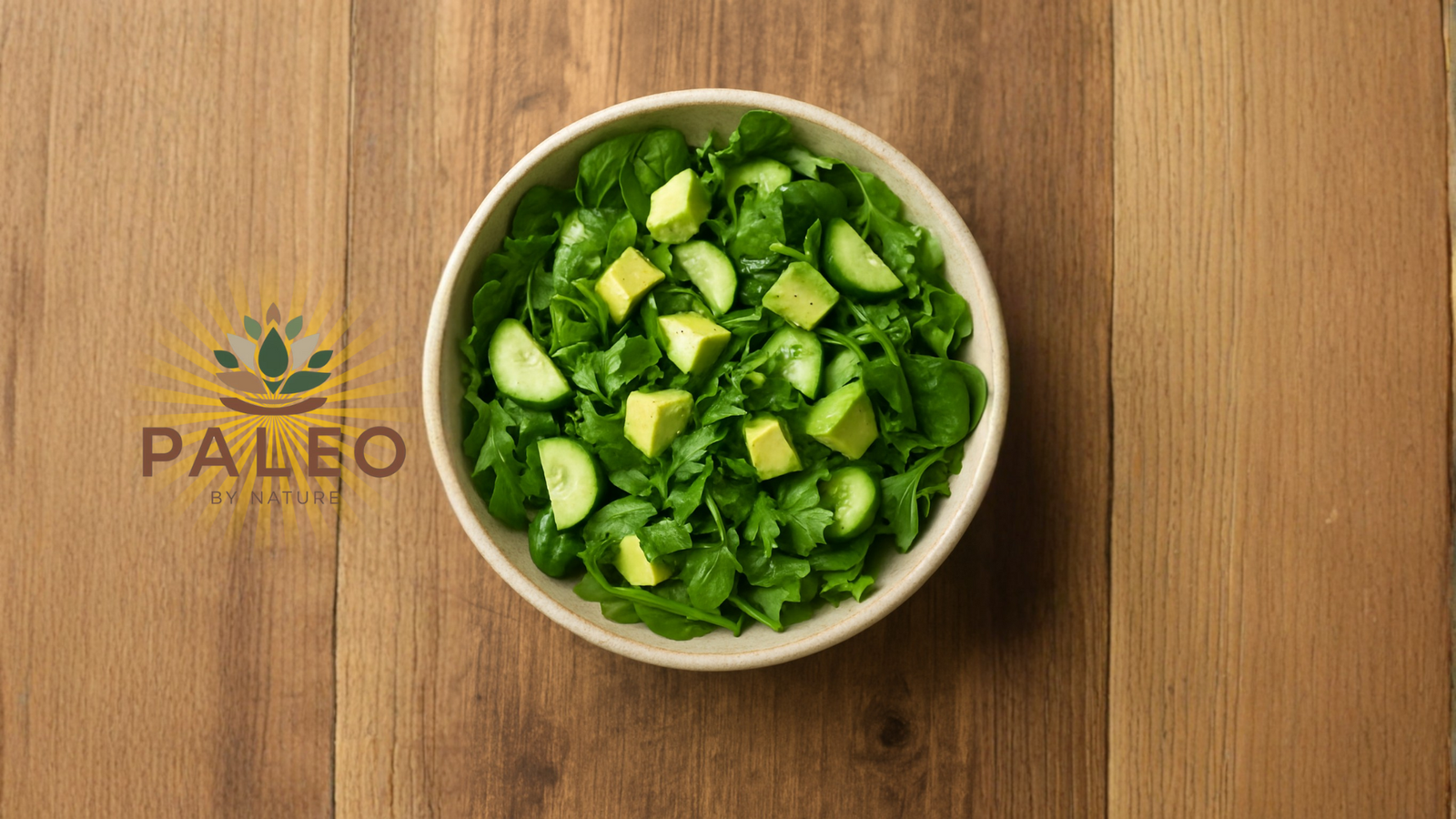
    Green Goddess Avocado Salad

    Bright, fresh, and nourishing — this salad balances healthy fats, fiber, and vibrant greens for energy and focus.

    Ingredients:

    2 cups mixed greens

    1 avocado, diced

    1/2 cucumber, sliced

    1/4 cup fresh herbs (parsley, cilantro)

    1 tbsp olive oil

    1 tsp lemon juice

    Sea salt to taste

    Instructions:

    Combine all ingredients in a large bowl.

    Drizzle with olive oil and lemon juice; toss gently.

    Serve immediately.

    AIP-Friendly Variant: All ingredients are AIP-approved; omit lemon if sensitive.

    Mindful Eating Note:
    Notice the colors, textures, and flavors — a simple, grounding way to connect with your food.

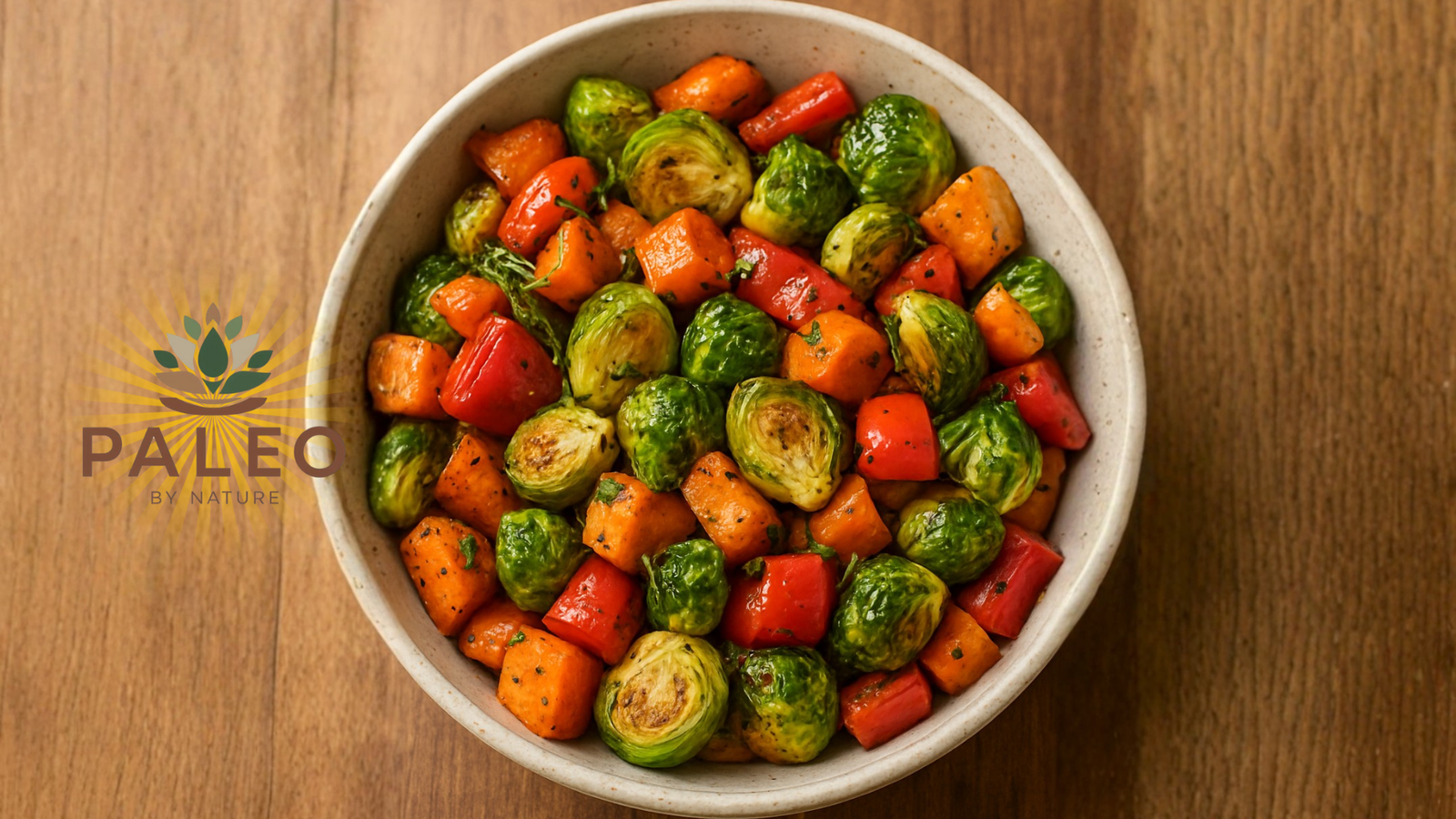
  • Roasted Veggie & Herb Medley

    Roasted Veggie & Herb Medley

    A simple side dish packed with color, fiber, and nutrients — perfect for any meal. Roasting brings out natural sweetness in the vegetables.

    Ingredients:

    1 cup carrots, chopped

    1 cup Brussels sprouts, halved

    1 red bell pepper, chopped

    2 tbsp olive oil

    1 tsp thyme

    1/2 tsp sea salt

    1/4 tsp black pepper

    Instructions:

    Preheat oven to 400°F (200°C).

    Toss all vegetables with olive oil, thyme, salt, and pepper.

    Roast 25–30 min, stirring halfway through.

    Serve warm.

    AIP-Friendly Variant: Omit black pepper; focus on fresh herbs like rosemary or parsley.

    Mindful Eating Note:
    Take a moment to appreciate the color, aroma, and warmth — a simple reminder that eating can be joyful and grounding.

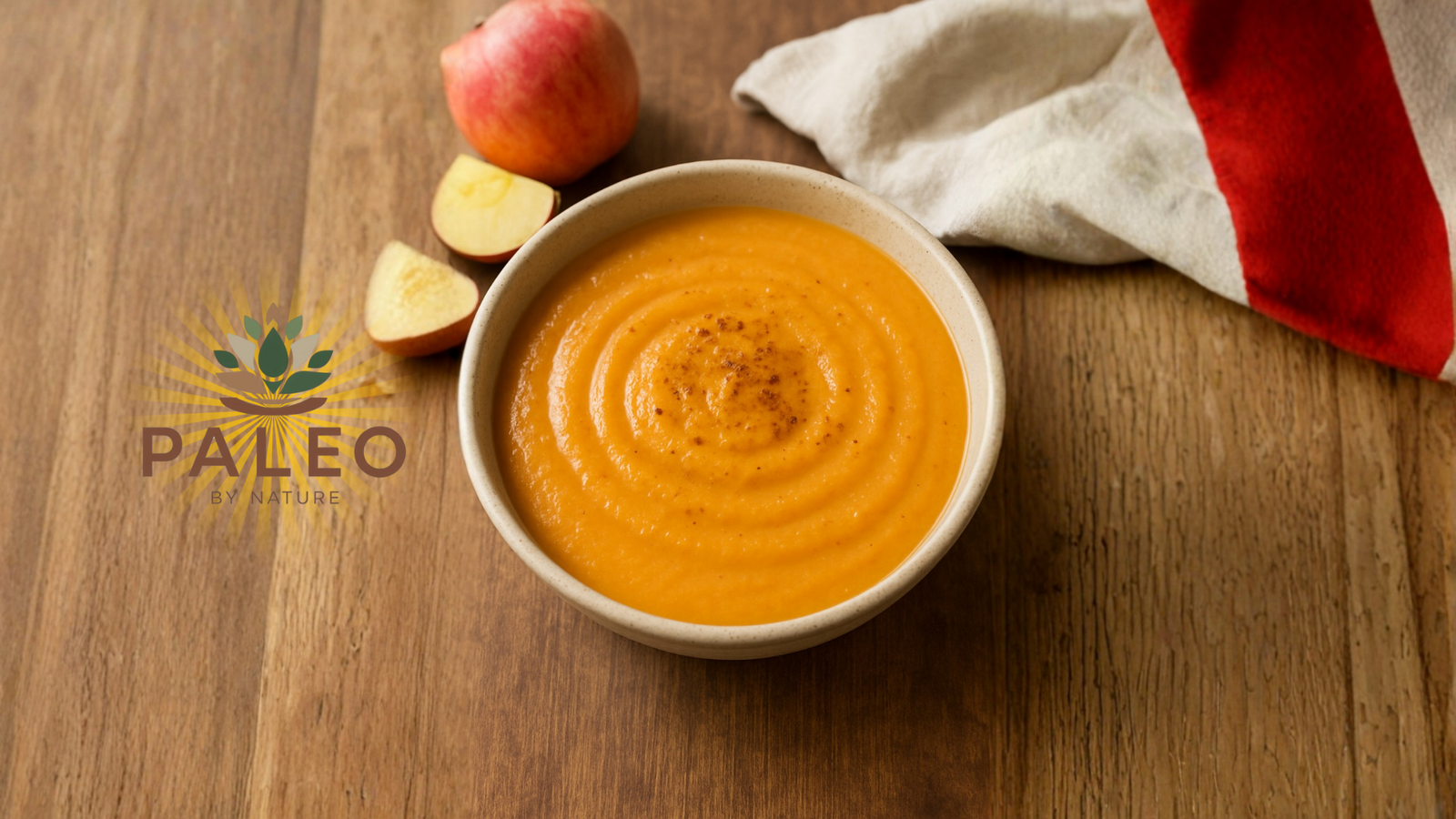
  • Sweet Potato & Apple Soup

    Sweet Potato & Apple Soup

    A creamy, comforting soup perfect for cozy evenings. Sweet potatoes and apples provide natural sweetness while warming spices soothe the digestive system.

    Ingredients:

    2 medium sweet potatoes, peeled and chopped

    2 apples, peeled and chopped

    1 small onion, chopped

    3 cups chicken or vegetable broth

    1 tsp cinnamon

    1/2 tsp sea salt

    1 tbsp coconut oil

    Instructions:

    Heat coconut oil in a large pot, sauté onion 3–4 min.

    Add sweet potatoes, apples, and broth; bring to a boil.

    Reduce heat and simmer 20 min until soft.

    Blend until smooth; season with salt and cinnamon.

    AIP-Friendly Variant: Omit cinnamon if sensitive; use ginger for spice instead.

    Mindful Eating Note:
    Savor the natural sweetness and aroma — allow each spoonful to comfort and ground you.
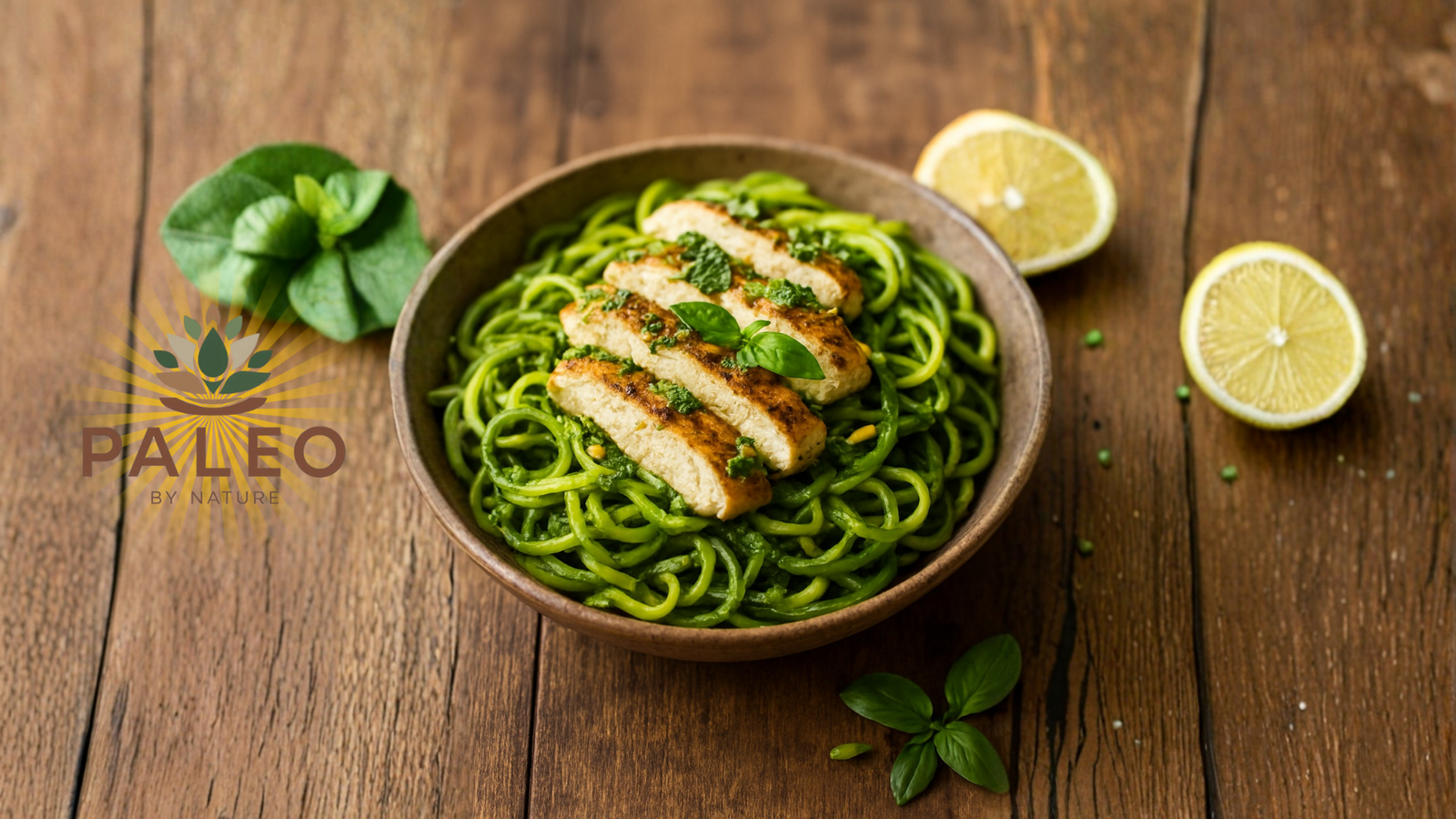
  • Zucchini Noodle Pesto with Grilled Chicken

    Zucchini Noodle Pesto with Grilled Chicken

    A fresh, satisfying dinner that’s light yet nourishing. Homemade pesto adds flavor and healthy fats without dairy.

    Ingredients:

    2 medium zucchini, spiralized

    1 cup fresh basil

    1/4 cup pine nuts

    2 cloves garlic

    1/4 cup olive oil

    1 tsp sea salt

    2 chicken breasts, grilled and sliced

    Instructions:

    Blend basil, pine nuts, garlic, olive oil, and salt to make pesto.

    Toss zucchini noodles with pesto.

    Top with sliced grilled chicken.

    AIP-Friendly Variant: Use pumpkin seeds instead of pine nuts and omit garlic if sensitive.

    Mindful Eating Note:
    Notice the fresh herbal aroma and tender zucchini — a meal that feels light, vibrant, and satisfying.
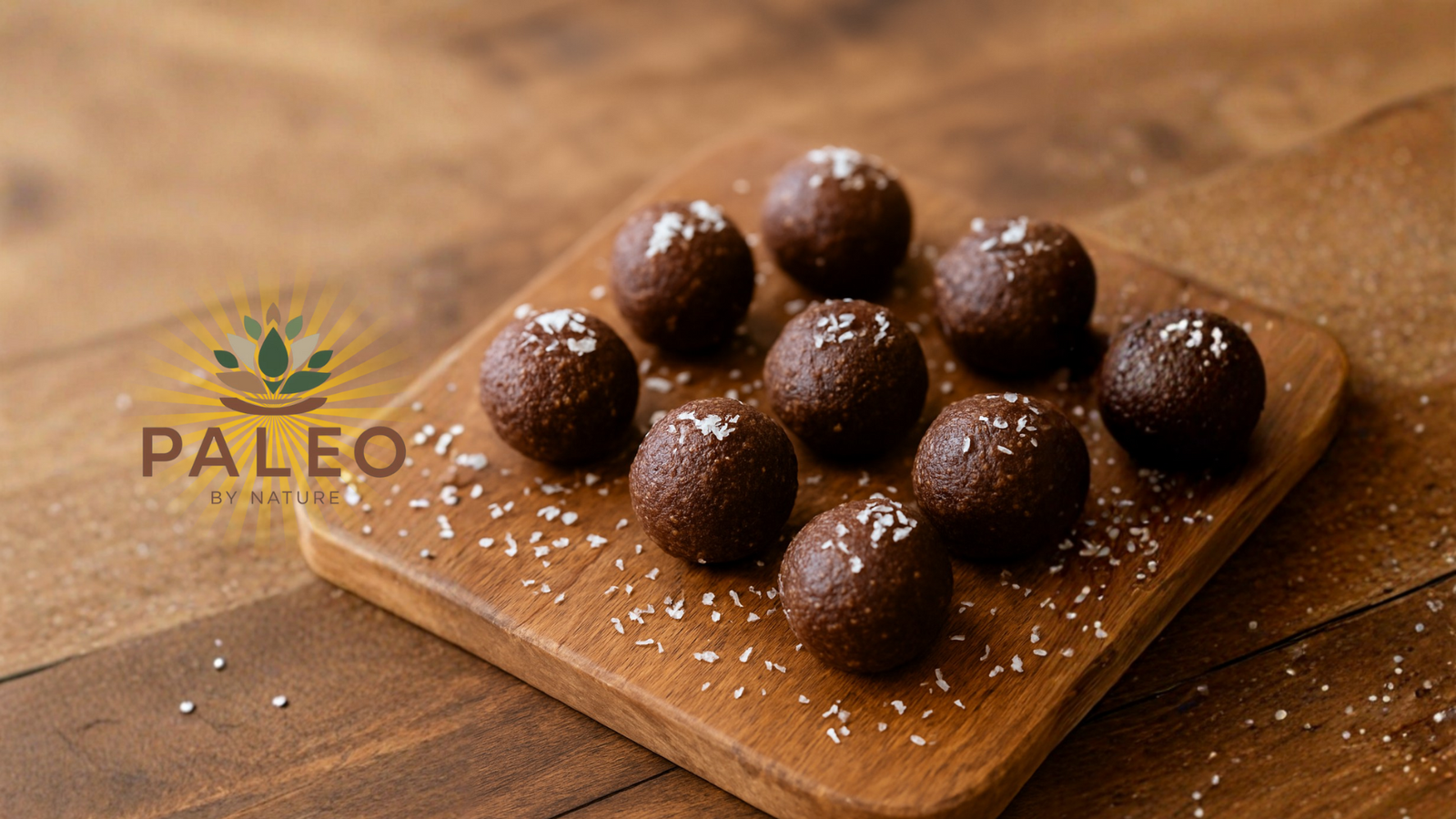
  • Cacao Almond Bliss Bites

    Cacao Almond Bliss Bites

    A mindful, chocolatey snack to satisfy cravings without guilt. Packed with healthy fats and natural sweetness.

    Ingredients:

    1 cup almond butter

    1/4 cup coconut flour

    1/4 cup raw cacao powder

    2 tbsp maple syrup

    1 tsp vanilla extract

    Pinch of sea salt

    Instructions:

    Mix all ingredients in a bowl until smooth.

    Roll into small balls and refrigerate 30 min.

    Store in airtight container in fridge.

    AIP-Friendly Variant: Use carob powder instead of cacao.

    Mindful Eating Note:
    Enjoy slowly, letting each bite melt on your tongue — a small indulgence that still supports your health goals.
  • What is a Paleo Diet?

    The Paleo diet, also known as the Paleolithic or “caveman” diet, is a nutritional plan that aims to emulate the dietary patterns of our ancient ancestors during the Paleolithic era. This period dates from approximately 2.5 million to 10,000 years ago, before the advent of agriculture and processed foods.

    Core Principles

    The Paleo diet is based on the belief that modern diets, which are high in processed foods, sugars, and grains, contribute to chronic diseases and health problems. It emphasizes consuming whole, unprocessed foods that were likely available to early humans.

    Foods Included in the Paleo Diet

    The Paleo diet encourages the consumption of the following:

    • Fruits and Vegetables: Fresh produce is a staple, providing essential vitamins, minerals, and fiber.
    • Lean Meats: Focus on grass-fed, pasture-raised meats, and wild-caught fish which are high in protein and omega-3 fatty acids.
    • Nuts and Seeds: These provide healthy fats and protein but should be consumed in moderation.
    • Eggs: A good source of protein, vitamins, and minerals.
    • Healthy Fats: Olive oil, coconut oil, and avocado are preferred sources of fat.

    Foods to Avoid

    The diet eliminates modern agricultural products and processed foods, such as:

    • Grains: Wheat, oats, and barley are excluded.
    • Legumes: Beans, lentils, and peanuts are not part of the Paleo diet.
    • Dairy: Most forms of dairy are avoided, though some followers may include butter or cheese.
    • Refined Sugars and Processed Foods: These are strictly off-limits.

    Health Benefits

    Proponents of the Paleo diet claim various health benefits, such as:

    1. Improved weight management and reduction in body fat.
    2. Enhanced metabolic health, including better blood sugar control.
    3. Reduced risk of chronic diseases, such as heart disease and diabetes.

    Criticisms and Considerations

    Critics argue that the Paleo diet can be restrictive and may exclude essential nutrients found in grains and legumes. Additionally, the assumption that our ancestors adhered strictly to this diet is debated among researchers. It is important for individuals considering the Paleo diet to ensure they maintain a balanced intake of nutrients and consult with healthcare professionals as needed.

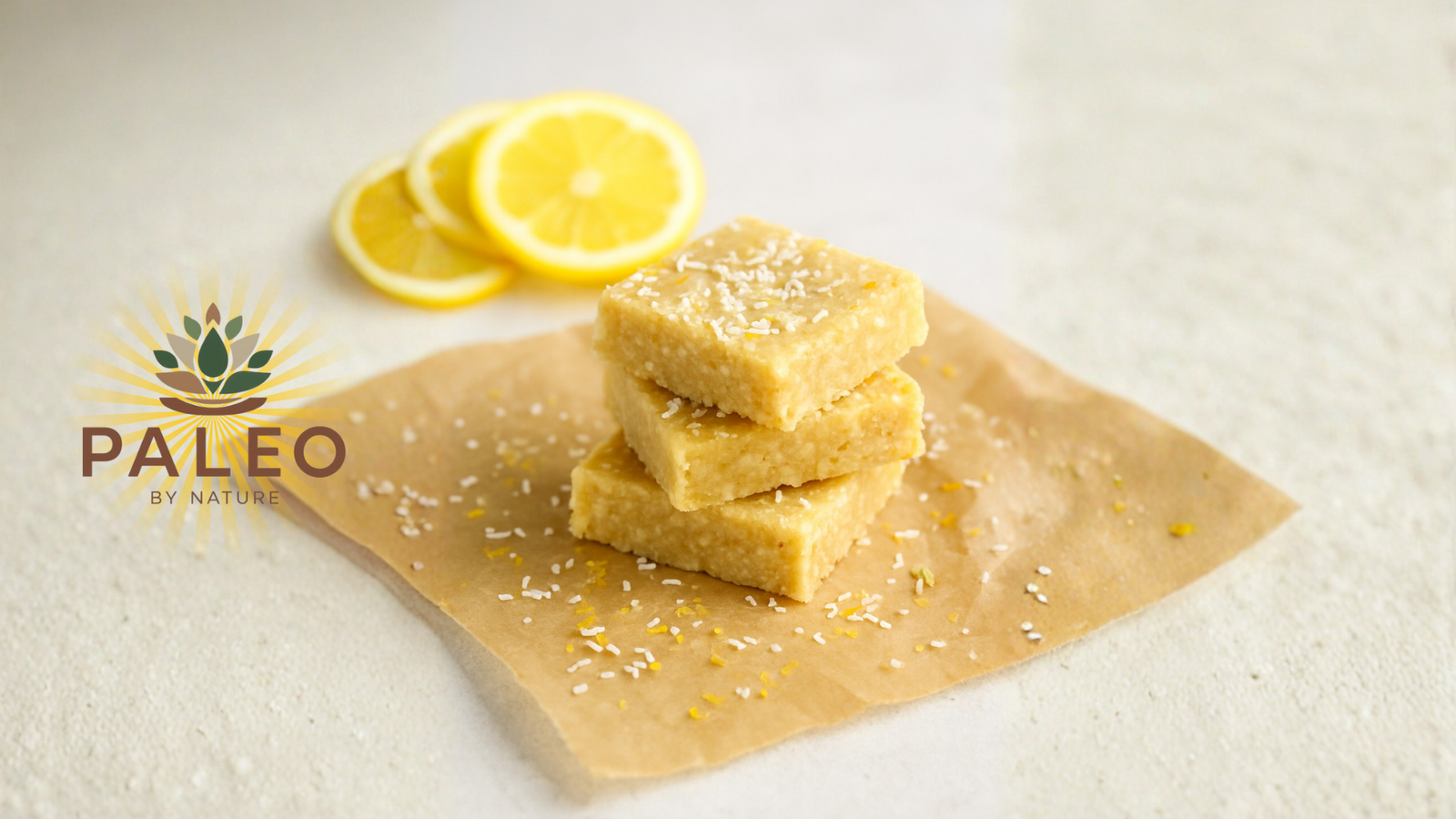
  • Coconut Lemon Energy Bars

    Coconut Lemon Energy Bars

    A grab-and-go snack that supports energy, focus, and satiety.

    Ingredients:

    1 cup almond flour

    1/4 cup shredded coconut

    1/4 cup coconut oil

    2 tbsp maple syrup

    Zest of 1 lemon

    Instructions:

    Mix all ingredients in a bowl.

    Press into lined pan; refrigerate 30 min.

    Cut into bars and store in fridge.

    AIP-Friendly Variant: Use approved sweeteners and nut flours.

    Mindful Eating Note:
    Savor the tangy lemon and creamy coconut — energy and pleasure in one bite.
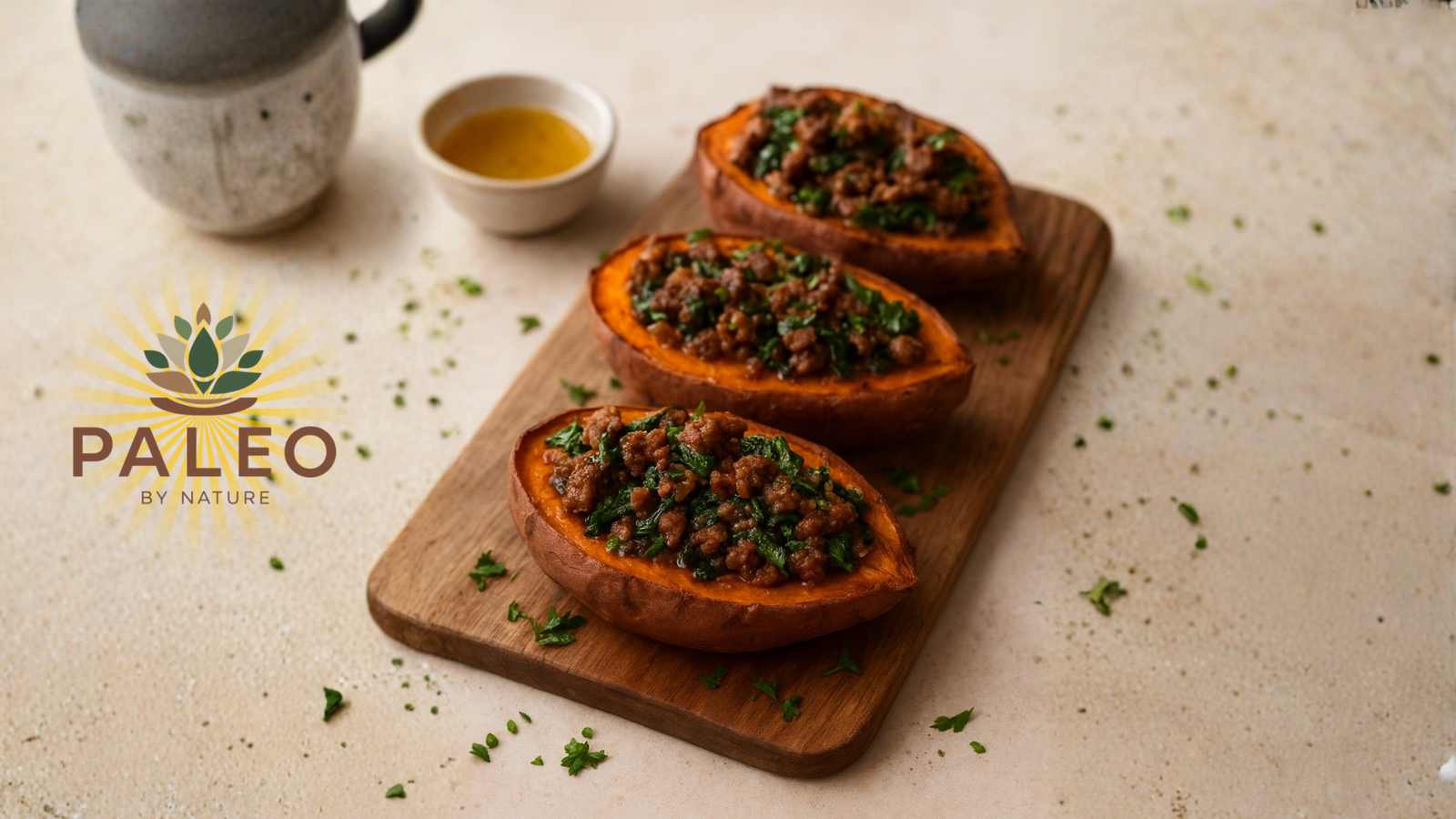
  • Stuffed Sweet Potatoes (Paleo + AIP Option)

    Stuffed Sweet Potatoes (Paleo + AIP Option)

    Simple, hearty, and full of flavor — comfort food that nourishes the body and soul.

    These savory stuffed sweet potatoes are the perfect blend of sweet, savory, and nutrient-rich. Whether you’re following a strict paleo lifestyle or adapting for AIP, this recipe brings you all the cozy satisfaction of a comfort meal — without compromise.


    🥔 Ingredients

    For the sweet potatoes

    • 2 medium sweet potatoes, scrubbed and pierced with a fork
    • 1 tsp olive oil

    For the filling

    • 1 lb ground turkey or beef
    • 1 tbsp olive oil or avocado oil
    • ½ small onion, finely diced
    • 2 cloves garlic, minced
    • ½ tsp sea salt
    • ¼ tsp black pepper (omit for AIP)
    • ½ tsp smoked paprika (AIP: replace with ¼ tsp ground turmeric or ½ tsp dried basil)
    • 1 cup finely chopped spinach or kale
    • 1 tbsp coconut aminos
    • Fresh parsley for garnish

    👩‍🍳 Instructions

    1. Roast the sweet potatoes:
      Preheat oven to 400°F (200°C). Rub sweet potatoes lightly with olive oil and bake for 40–45 minutes, or until tender.
    2. Prepare the filling:
      Heat oil in a large skillet over medium heat. Add onion and garlic; sauté until fragrant.
      Add ground turkey or beef, breaking it apart as it cooks. Season with sea salt, and (if not AIP) black pepper and smoked paprika.
    3. Add the greens:
      Stir in chopped spinach or kale and cook until wilted. Add coconut aminos and mix well.
    4. Assemble:
      Slice baked sweet potatoes lengthwise and fluff the insides slightly with a fork. Spoon the savory filling into each potato.
    5. Finish:
      Garnish with fresh parsley and, if desired, a drizzle of melted ghee for extra richness (AIP: ensure ghee is well tolerated or replace with coconut oil).

    🌿 AIP Modifications Summary

    ✅ Omit black pepper
    ✅ Replace smoked paprika with turmeric or dried basil
    ✅ Use coconut oil instead of ghee if sensitive to dairy
    ✅ Choose gentle greens like baby spinach


    Why You’ll Love It

    • Perfect balance of sweet and savory
    • Adaptable for both paleo and AIP diets
    • Packed with nutrient-dense, whole ingredients
    • Great for meal prep or cozy weeknight dinners

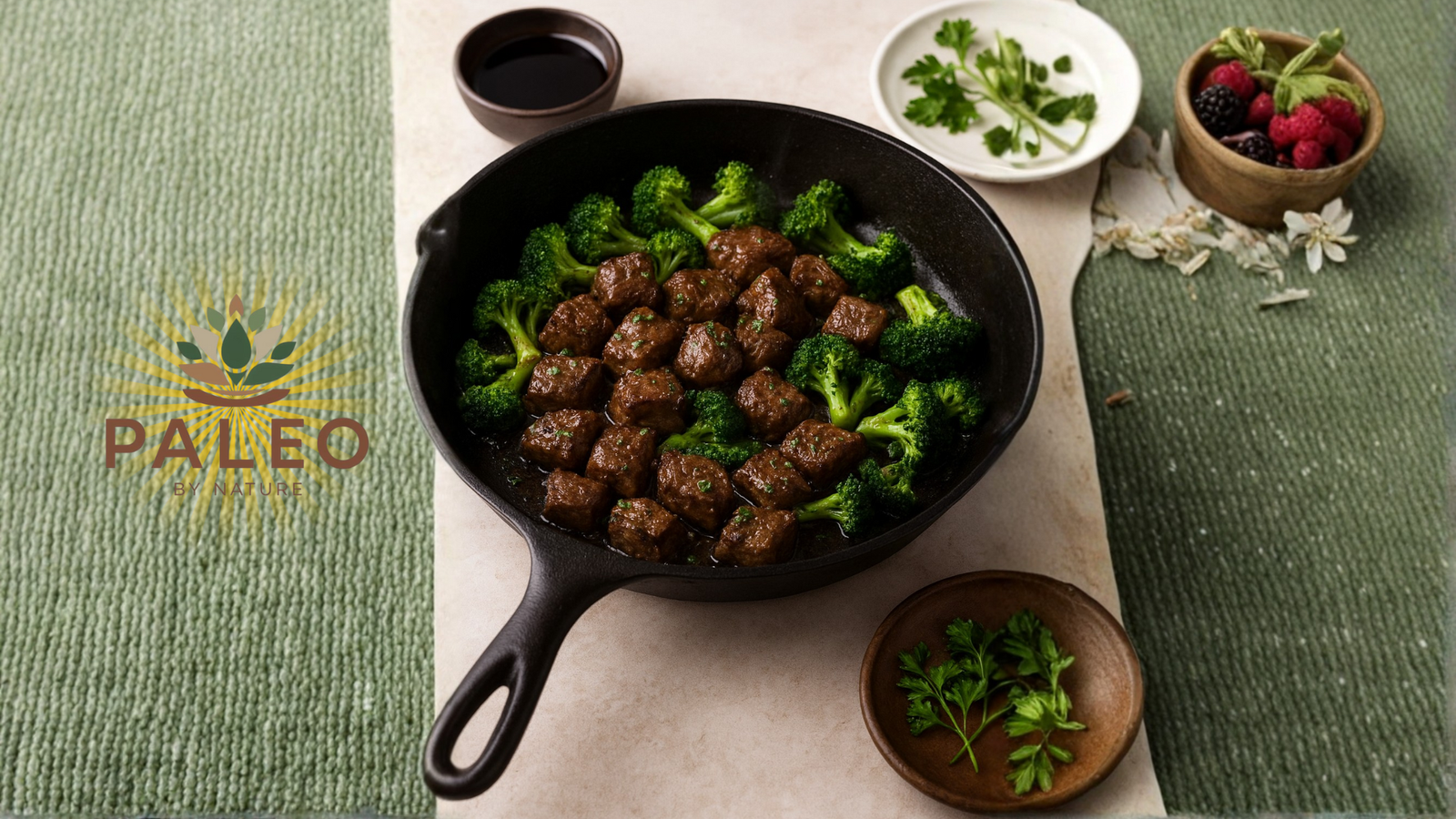
  • Garlic Butter Steak Bites with Broccoli

    Garlic Butter Steak Bites with Broccoli

    Quick. Satisfying. Irresistibly savory.

    These Garlic Butter Steak Bites with Broccoli are a paleo powerhouse — high in protein, rich in flavor, and ready in under 20 minutes. They’re perfect for weeknights when you crave something hearty yet clean.


    🥣 Ingredients

    • 1 lb sirloin or ribeye steak, cut into bite-size pieces
    • 2 tbsp ghee or grass-fed butter
    • 3 cloves garlic, minced
    • 2 cups broccoli florets, steamed or lightly sautéed
    • 1 tbsp coconut aminos
    • ½ tsp sea salt
    • ¼ tsp black pepper
    • 1 tbsp chopped fresh parsley (optional for garnish)

    AIP Alternate:
    Swap butter/ghee for coconut oil and omit black pepper. Add a pinch of turmeric or ginger for warmth.


    🔥 Instructions

    1. Heat a large skillet over medium-high heat. Add 1 tbsp ghee.
    2. Sear steak bites in batches for 2–3 minutes per side until browned. Remove and set aside.
    3. Lower heat to medium, add remaining ghee and garlic, sauté until fragrant.
    4. Return steak bites to the pan, toss with coconut aminos, and stir until coated in garlic butter.
    5. Serve immediately with steamed broccoli on the side. Garnish with parsley if desired.

    🌿 Why You’ll Love It

    • Perfect balance of protein and fiber
    • Naturally paleo and easily AIP-adaptable
    • Ready in minutes but feels gourmet

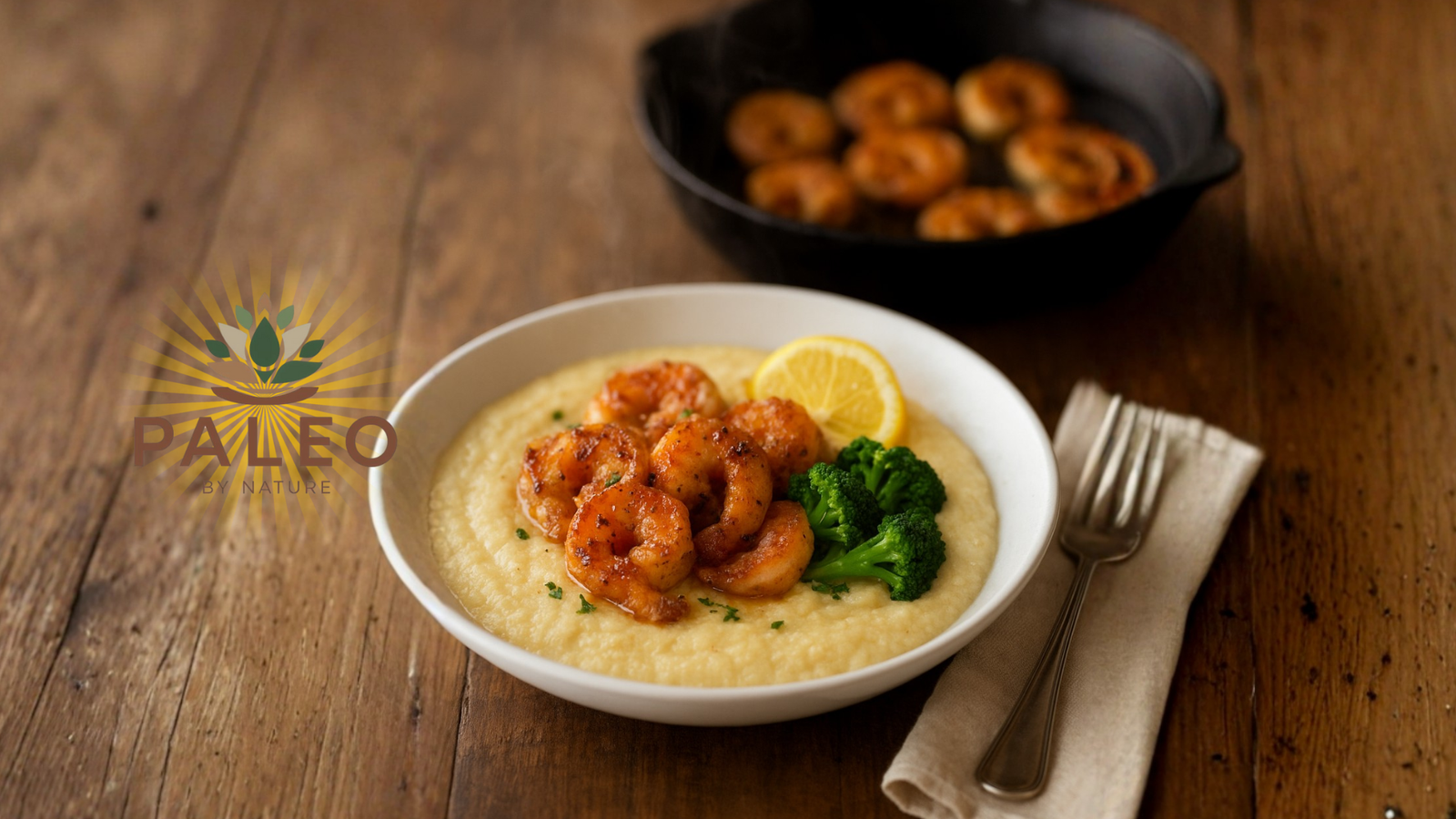
  • 🍤 Paleo Shrimp & Cauliflower Grits

    🍤 Paleo Shrimp & Cauliflower Grits

    Southern comfort made clean and nourishing.

    This Paleo Shrimp & Cauliflower Grits recipe brings the warmth of a southern classic — creamy, buttery “grits” made from cauliflower, topped with perfectly seasoned shrimp and a hint of smoky garlic. Every bite feels indulgent, yet it’s grain-free, dairy-free, and fully paleo-approved.


    🥣 Ingredients

    For the Cauliflower Grits:

    • 1 large head cauliflower, chopped
    • 2 tbsp ghee or coconut oil
    • ¼ cup coconut milk (unsweetened, full-fat)
    • 1 clove garlic, minced
    • ½ tsp sea salt
    • ¼ tsp black pepper

    AIP Alternate: Omit black pepper and use olive oil instead of ghee.

    For the Shrimp:

    • 1 lb large shrimp, peeled and deveined
    • 1 tbsp olive oil or ghee
    • 2 cloves garlic, minced
    • ½ tsp smoked paprika
    • ½ tsp sea salt
    • ¼ tsp cayenne (optional)
    • 1 tbsp fresh parsley, chopped
    • Lemon wedges for serving

    AIP Alternate: Omit paprika and cayenne; add turmeric or ginger for flavor depth.


    🔥 Instructions

    1. Steam or boil cauliflower until tender, about 8–10 minutes.
    2. Drain well, then blend with ghee, coconut milk, garlic, salt, and pepper until creamy. Set aside.
    3. Heat olive oil or ghee in a skillet over medium heat. Add garlic and cook until fragrant.
    4. Add shrimp, paprika, salt, and cayenne; sauté until pink and opaque (about 3 minutes per side).
    5. Serve shrimp over a generous scoop of cauliflower grits. Garnish with parsley and a squeeze of lemon.

    🌿 Why You’ll Love It

    • Creamy, savory, and fully paleo
    • Quick weeknight meal with comfort-food vibes
    • Naturally gluten-free and dairy-free
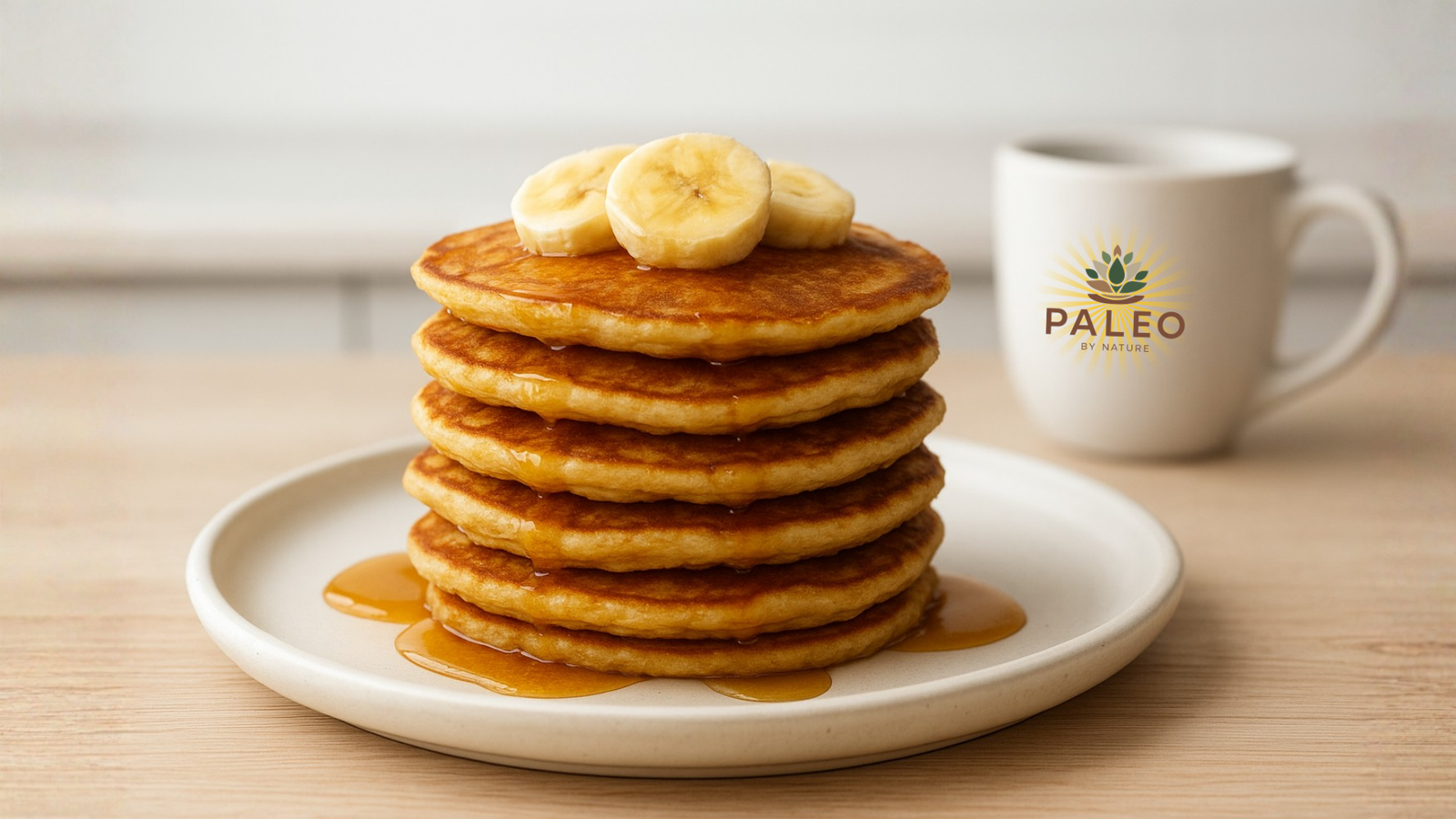
  • Banana Pancakes

    Banana Pancakes

    Fluffy, golden, and naturally sweet — these pancakes make healthy mornings feel indulgent.
    Made with simple whole-food ingredients, they’re perfect for slow weekends or meal-prepped breakfasts that keep you energized and happy.

    Prep Time: 5 min
    Cook Time: 10 min
    Serves: 2

    Ingredients:

    • 2 ripe bananas
    • 3 eggs
    • 2 tbsp almond flour (or coconut flour for nut-free)
    • ½ tsp cinnamon
    • Pinch of sea salt
    • Coconut oil, for cooking
    • Optional toppings: sliced fruit, drizzle of raw honey, or a sprinkle of shredded coconut

    AIP Alternate:

    • Replace eggs with 3 tbsp mashed green plantain and 1 tbsp gelatin mixed with warm water.
    • Use coconut flour instead of almond flour.

    Instructions:

    1. In a bowl, mash bananas until smooth. Whisk in eggs, almond flour, cinnamon, and sea salt.
    2. Heat coconut oil in a skillet over medium heat.
    3. Pour small rounds of batter and cook 2–3 minutes per side until golden brown.
    4. Serve warm with your favorite Paleo toppings.

    Nutrition Spotlight 🌿
    Bananas provide natural sweetness and potassium for energy and recovery, while eggs and almond flour add protein and healthy fats to keep you full and satisfied.

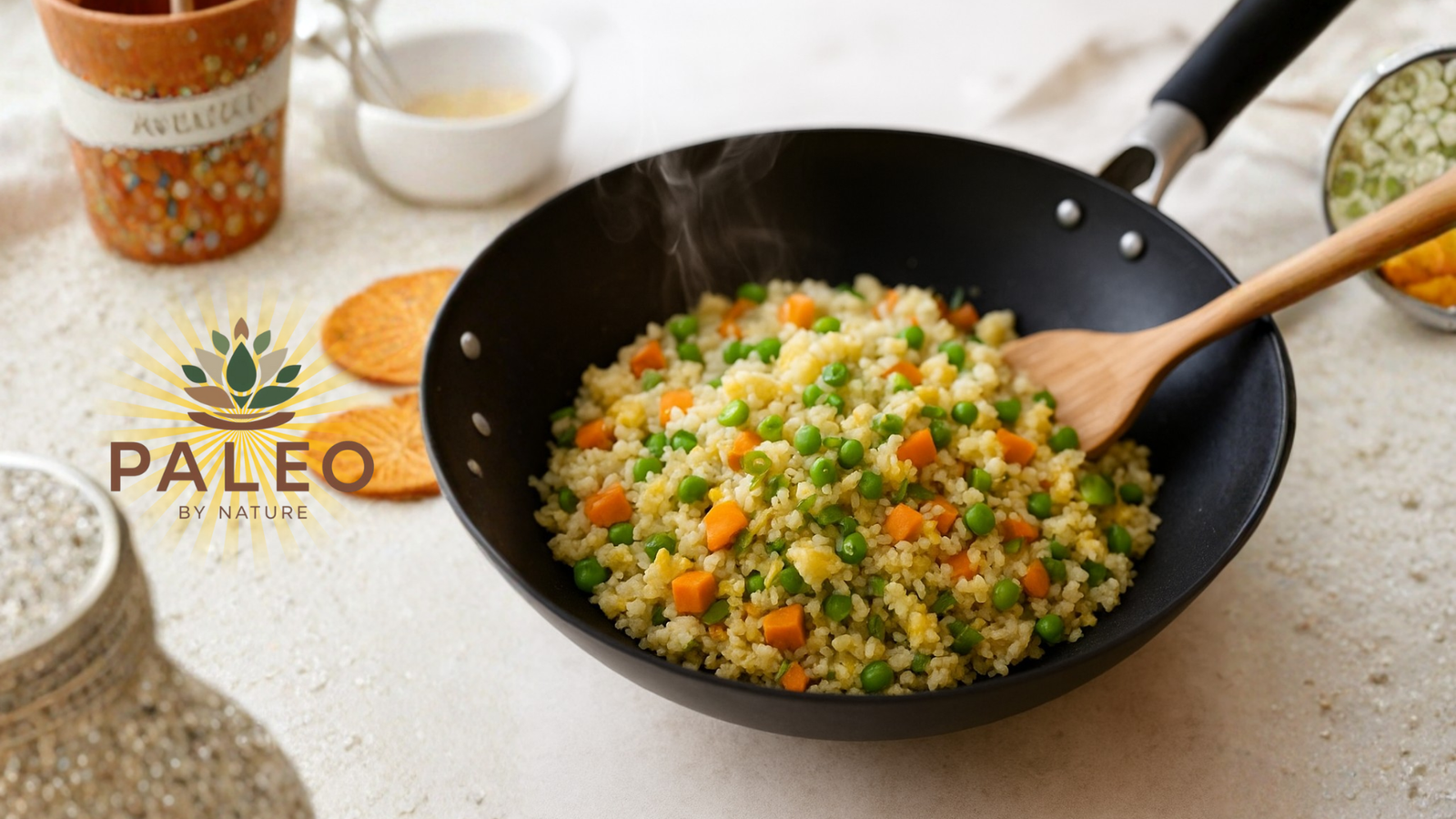
  • Cauliflower Fried “Rice”

    Cauliflower Fried “Rice”

    All the comfort of takeout — none of the grains or guilt.
    This colorful, flavor-packed dish brings together crisp vegetables, tender cauliflower rice, and the savory aroma of coconut aminos for a nourishing, quick weeknight meal that satisfies every craving.

    Prep Time: 10 min
    Cook Time: 15 min
    Serves: 2–3

    Ingredients:

    • 4 cups cauliflower rice (fresh or frozen)
    • 2 eggs, whisked
    • 1 cup mixed vegetables (carrots, peas, green onion, or bell pepper)
    • 2 tbsp coconut aminos
    • 1 tbsp sesame oil (or avocado oil for AIP)
    • 1 garlic clove, minced
    • 1 tsp grated ginger
    • Sea salt to taste
    • Optional garnish: chopped cilantro or sesame seeds

    AIP Alternate:

    • Omit eggs and sesame oil. Use avocado oil and add diced chicken or shrimp for extra protein.
    • Skip nightshade vegetables (like bell peppers) and sub in zucchini or broccoli florets.

    Instructions:

    1. Heat oil in a large skillet over medium heat.
    2. Add garlic and ginger, cooking until fragrant.
    3. Add mixed vegetables and sauté until tender.
    4. Stir in cauliflower rice and coconut aminos; cook 5–6 minutes until heated through.
    5. Push mixture to one side of the pan, scramble eggs on the other side (if using), then combine.
    6. Season with sea salt and top with cilantro or sesame seeds.

    Nutrition Spotlight 🌿
    Cauliflower is high in fiber and antioxidants that support digestion and detoxification, while coconut aminos add umami flavor with a fraction of the sodium of soy sauce.

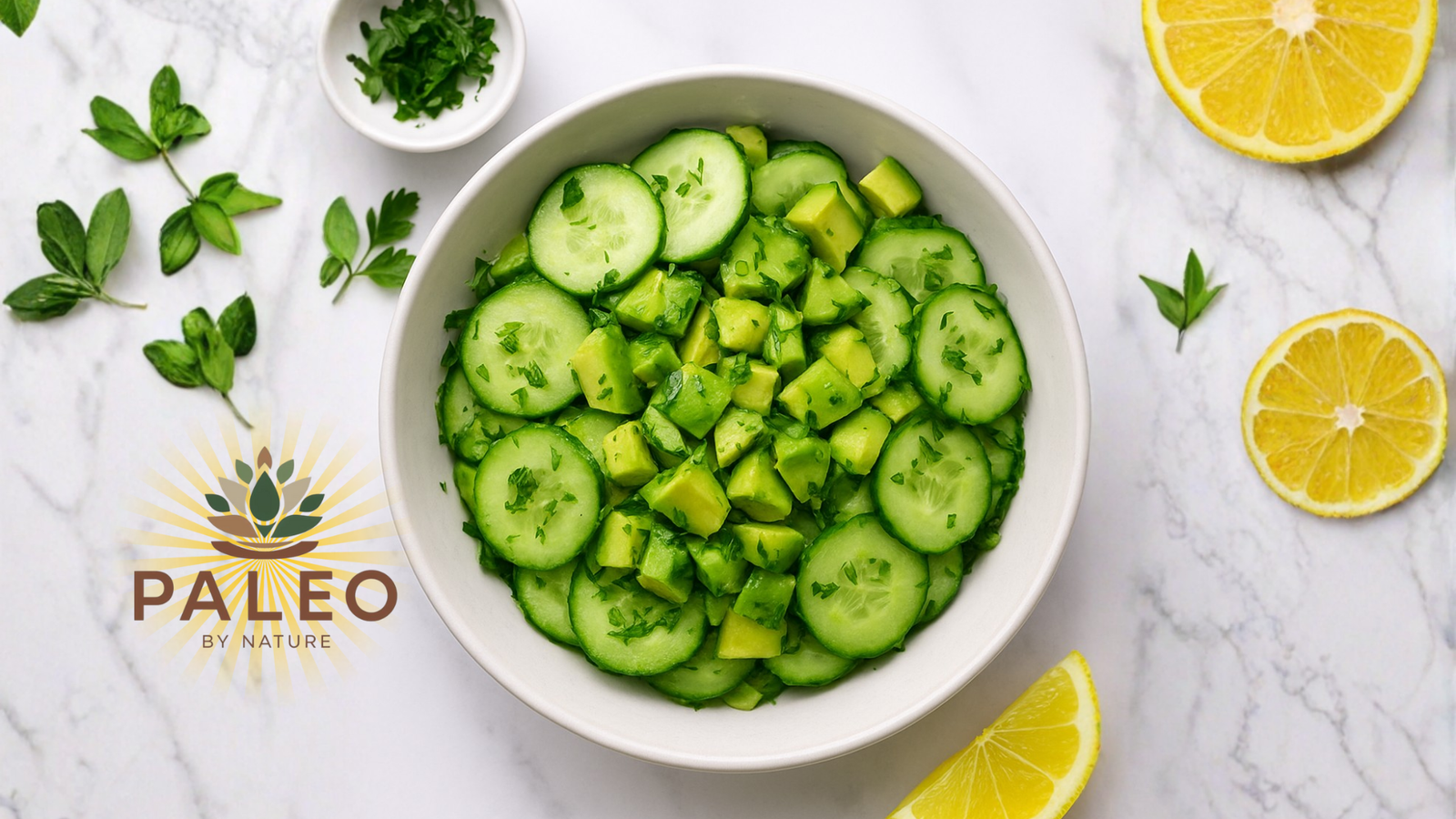
  • Cucumber Avocado Salad

    Cucumber Avocado Salad

    Cool, creamy, and refreshingly light — this salad is a perfect side or quick lunch.
    With hydrating cucumber, creamy avocado, and a bright citrus dressing, it’s a celebration of clean eating and simple ingredients that make you feel alive and vibrant.

    Prep Time: 10 min
    Serves: 2

    Ingredients:

    • 1 large cucumber, sliced thin
    • 1 ripe avocado, diced
    • 2 tbsp olive oil
    • 1 tbsp lime juice (or lemon juice)
    • 1 tbsp chopped fresh dill or cilantro
    • Sea salt to taste
    • Optional garnish: sesame seeds or microgreens

    AIP Alternate:

    • Omit sesame seeds (if used).
    • Add a few slices of green apple for extra crunch and freshness.

    Instructions:

    1. In a bowl, whisk olive oil, lime juice, and salt.
    2. Add cucumber and avocado, gently tossing to coat.
    3. Sprinkle with herbs and optional garnish.
    4. Serve immediately for best texture.

    Nutrition Spotlight 🌿
    Cucumber hydrates and supports detoxification, while avocado delivers heart-healthy fats and minerals that help your body absorb fat-soluble vitamins.

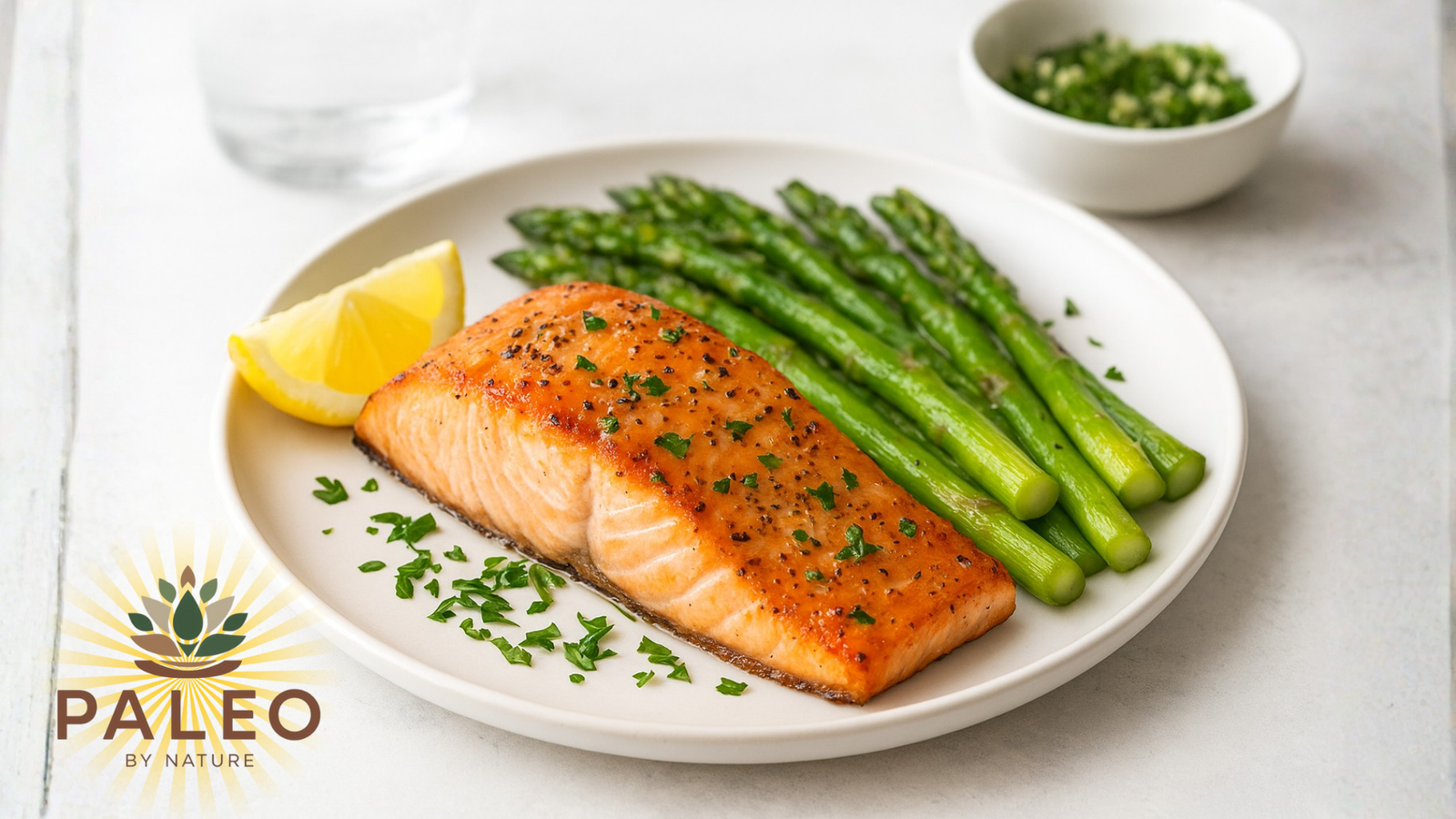
  • Honey Garlic Salmon with Asparagus

    Honey Garlic Salmon with Asparagus

    A simple, elegant dish that delivers flavor and nourishment in every bite.

    Golden seared salmon glazed in a honey-garlic sauce pairs perfectly with crisp-tender asparagus for a quick meal that feels both indulgent and clean.

    Prep Time: 10 min
    Cook Time: 15 min
    Serves: 2

    Ingredients:

    • 2 salmon fillets (about 5–6 oz each)
    • 2 tbsp olive oil or avocado oil
    • 1 tbsp raw honey
    • 2 garlic cloves, minced
    • 1 tbsp coconut aminos (Paleo-friendly soy sauce alternative)
    • 1 bunch asparagus, trimmed
    • Sea salt to taste
    • Fresh lemon wedges, for serving

    AIP Alternate:

    • Replace garlic with 1 tsp ginger for a gentle flavor.
    • Use a drizzle of date syrup instead of honey if preferred.

    Instructions:

    1. Heat oil in a skillet over medium heat. Add salmon, skin-side down, and sear 4–5 minutes per side.
    2. Remove salmon, set aside. In the same skillet, add honey, garlic, and coconut aminos; simmer 1–2 minutes until slightly thickened.
    3. Return salmon to the pan, spooning sauce over fillets.
    4. Add asparagus to the side of the pan, sauté 3–4 minutes until tender-crisp.
    5. Serve salmon and asparagus with a squeeze of fresh lemon.

    Nutrition Spotlight 🌿
    Salmon is rich in omega-3s that support brain and heart health, while asparagus adds detoxifying antioxidants and fiber to keep your system balanced and strong.

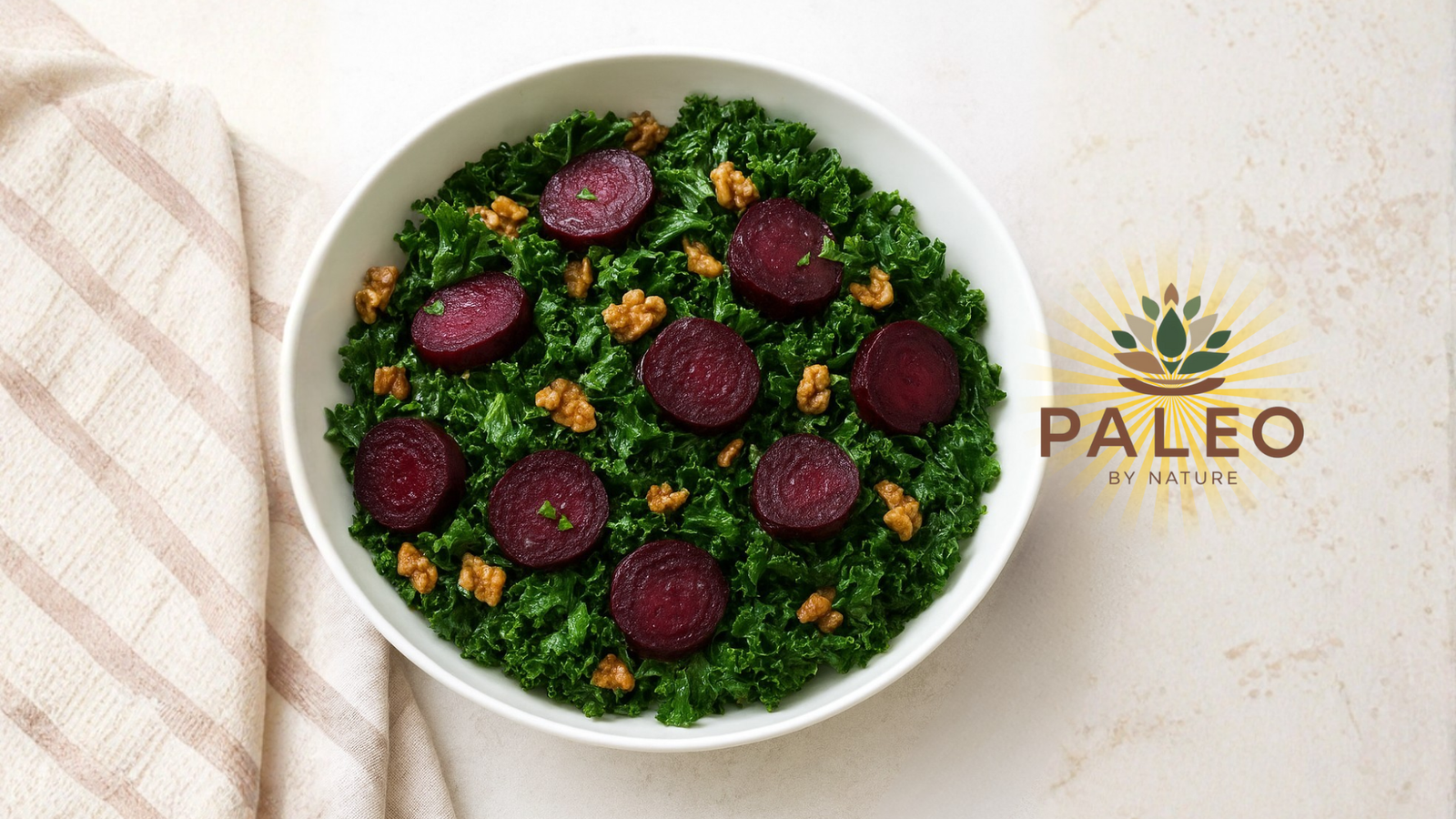
  • Roasted Beet & Kale Salad

    Roasted Beet & Kale Salad

    Earthy, vibrant, and detoxifying — a salad that balances flavors and colors.

    Ingredients:

    2 medium beets, roasted and diced

    2 cups kale (may substitute arugula or other green as desired)

    1/4 cup walnuts

    1 tbsp olive oil

    1 tsp apple cider vinegar

    Sea salt to taste

    Instructions:

    Roast beets at 400°F (200°C) for 30–35 min.

    Combine beets, kale, and walnuts.

    Drizzle with olive oil, vinegar, and salt; toss gently.

    AIP-Friendly Variant: Use approved nuts or omit if sensitive.

    Mindful Eating Note:
    Notice the contrast of textures and earthy sweetness — a small but powerful act of self-care.

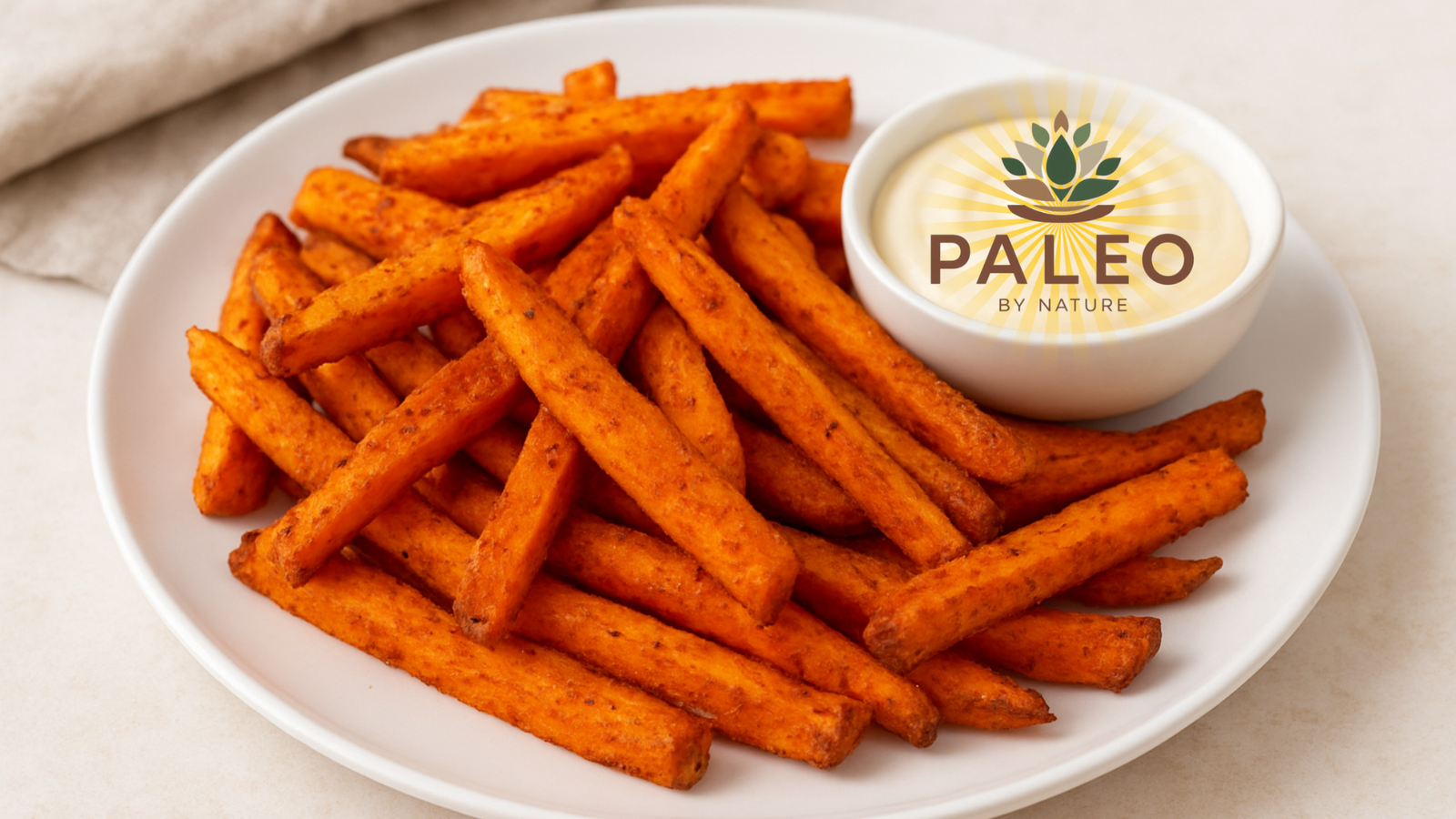
  • Sweet Potato Fries

    Sweet Potato Fries

    Ingredients:

    • 2 medium sweet potatoes, peeled and sliced into fries
    • 1 tbsp olive oil
    • 1/2 tsp sea salt
    • 1/2 tsp paprika (omit for AIP)
    • 1/4 tsp garlic powder (optional)

    Instructions:

    1. Preheat oven to 425°F (220°C).
    2. Toss sweet potato fries with olive oil and seasonings.
    3. Arrange on parchment-lined baking sheet in a single layer.
    4. Roast 20–25 minutes, flipping halfway through, until crisp.
    5. Sprinkle with extra salt before serving.
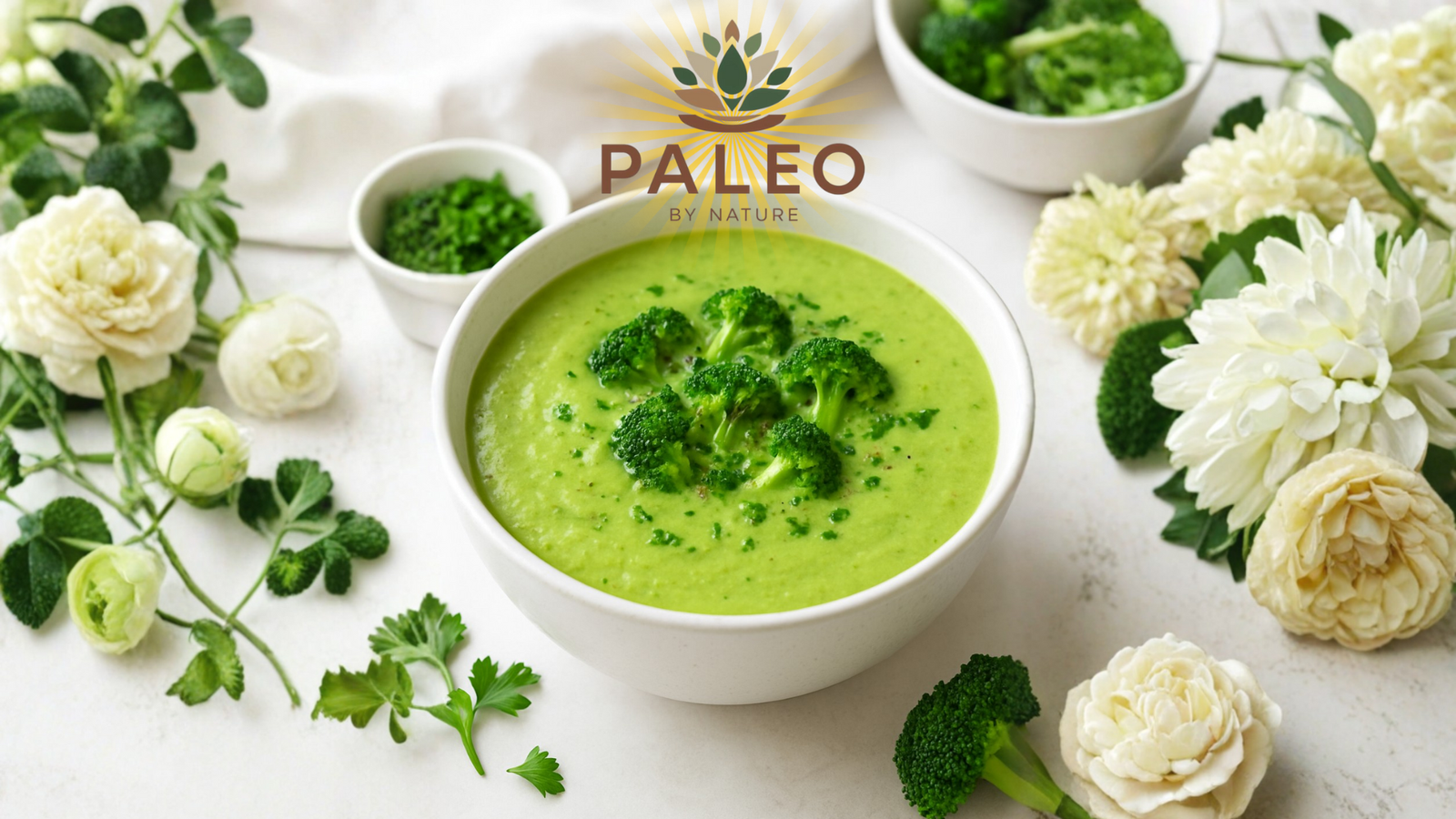
  • Creamy Broccoli Soup

    Creamy Broccoli Soup

    Ingredients:

    • 1 tbsp olive oil or ghee
    • 1 small onion, chopped
    • 3 cups broccoli florets
    • 2 cups bone broth or coconut milk (or mix)
    • 1 clove garlic, minced
    • 1/2 tsp sea salt
    • Fresh herbs to garnish

    Instructions:

    1. Sauté onion and garlic in oil until fragrant.
    2. Add broccoli and broth. Bring to a boil, then simmer until broccoli is tender.
    3. Use immersion blender to blend until smooth.
    4. Add coconut milk if desired for creaminess.
    5. Season to taste and garnish with herbs.
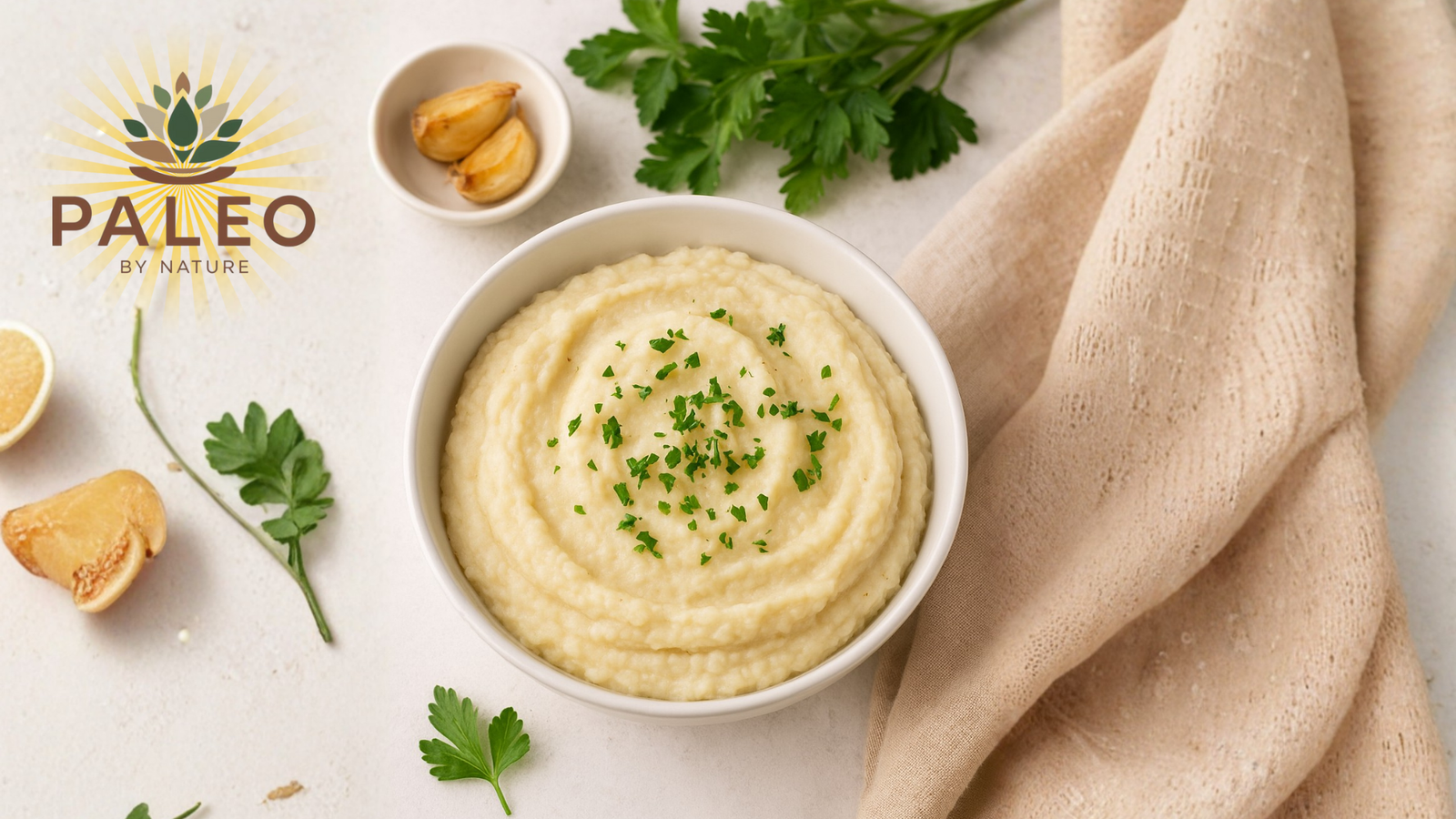
  • Roasted Garlic Cauliflower Mash

    Roasted Garlic Cauliflower Mash

    Ingredients:

    • 1 head cauliflower, cut into florets
    • 3 cloves garlic, roasted
    • 2 tbsp olive oil or ghee
    • 1–2 tbsp coconut milk (optional, for creaminess)
    • Sea salt and pepper to taste
    • Chopped parsley to garnish

    Instructions:

    1. Steam or boil cauliflower until soft.
    2. In a food processor, blend cauliflower, roasted garlic, olive oil, and coconut milk until smooth.
    3. Season with salt and pepper.
    4. Garnish with parsley and serve warm.

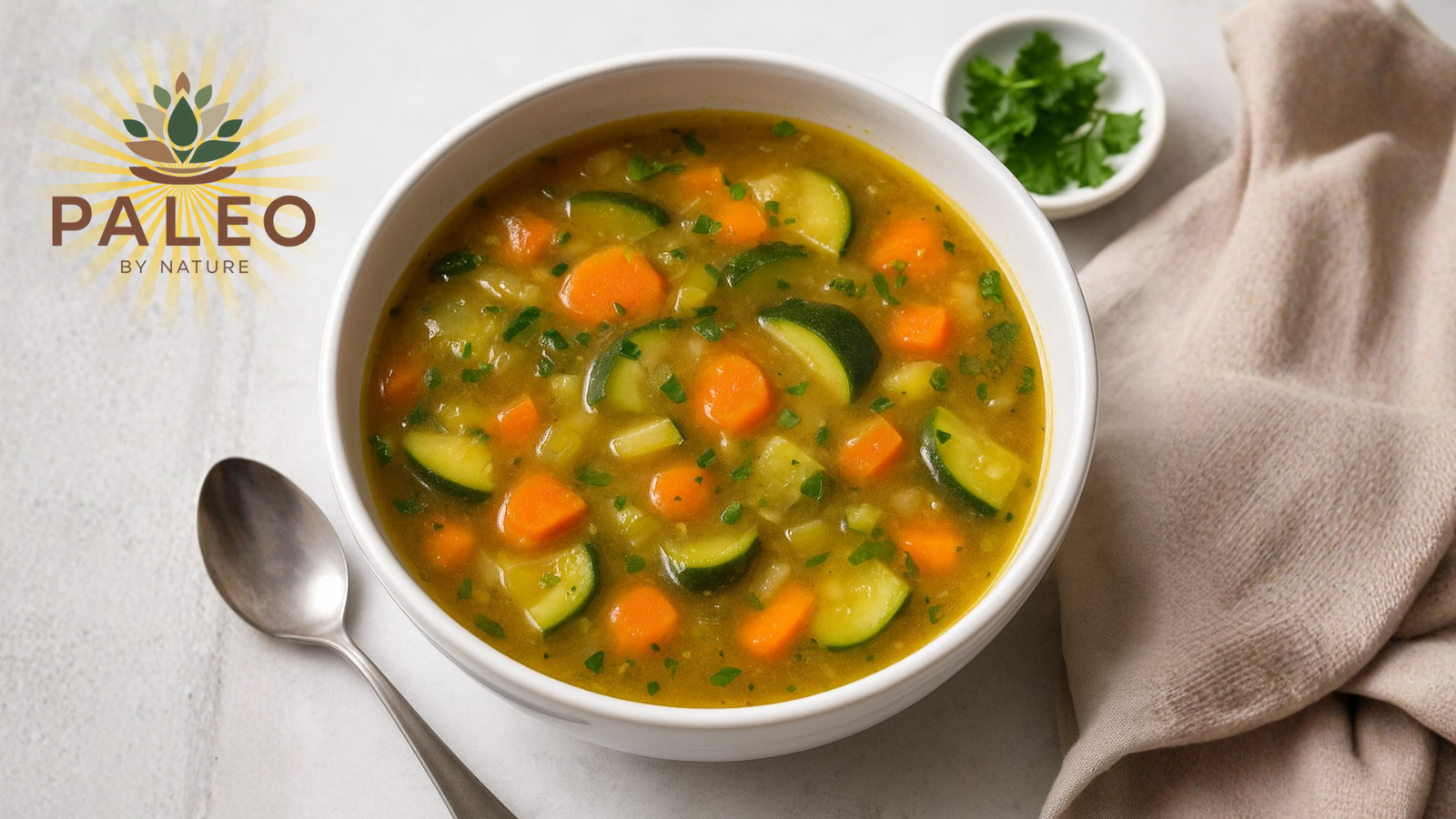
  • Hearty Vegetable Soup

    Hearty Vegetable Soup

    Ingredients:

    • 1 tbsp olive oil
    • 1 onion, chopped
    • 2 cloves garlic, minced
    • 2 carrots, chopped
    • 2 celery stalks, chopped
    • 1 zucchini, diced
    • 4 cups bone broth or vegetable broth
    • 1 tsp thyme
    • 1 tsp sea salt
    • 1/2 tsp pepper (omit for AIP)
    • Fresh parsley to serve

    Instructions:

    1. Heat oil in a large pot over medium heat.
    2. Add onion, garlic, carrot, and celery; sauté 5 minutes.
    3. Add zucchini, broth, and seasonings.
    4. Bring to boil, then reduce to simmer for 20 minutes.
    5. Serve topped with fresh parsley.
  • 🥘 Beef & Veggie Skillet – AIP Friendly

    Ingredients:

    • 1 lb (ground or chopped) beef (grass-fed preferred)
    • 1 small head of broccoli, chopped
    • 1 medium zucchini, sliced
    • 2 carrots, diced
    • 1 small onion, chopped (omit if sensitive; sub 1 tsp ginger or celery for flavor)
    • 2 cloves garlic, minced (omit for strict elimination phase)
    • 1 tbsp coconut aminos (optional for umami flavor)
    • 1 tbsp olive oil or avocado oil
    • Sea salt and pepper to taste
    • Fresh parsley and a squeeze of lemon juice to finish

    Instructions:

    1. Heat oil in a large skillet over medium-high heat.
    2. Add beef, season with salt and pepper, and cook until browned. Remove from skillet and set aside.
    3. In the same skillet, sauté onion and garlic until fragrant (about 2 minutes).
    4. Add carrots and broccoli; cook for 4–5 minutes until slightly tender.
    5. Stir in zucchini and cook another 3 minutes.
    6. Return beef to the skillet, add coconut aminos if using, and stir to combine.
    7. Cook for another minute or two until everything is heated through.
    8. Garnish with fresh parsley before serving.

    💚 Chef’s Note: The coconut aminos and lemon juice replace the depth and acidity you’d normally get from nightshade spices or sauces — keeping it flavorful yet fully AIP-friendly.

  • Eating with Intention: How to Practice Mindful Paleo

    Eating with Intention: How to Practice Mindful Paleo

    Eating is more than filling your stomach — it’s an opportunity to connect with your body, your food, and the present moment. Mindful Paleo brings awareness and gratitude into every bite.

    Sections:

    1️⃣ Slow Down

    Chew thoroughly and savor flavors. Notice textures and aromas. This improves digestion and satisfaction.

    2️⃣ Focus on Nourishment

    Choose foods that fuel your body. Ask yourself: “How will this make me feel?”

    3️⃣ Set the Environment

    Eat at a table, away from screens. Add intention by lighting a candle, or appreciating the meal visually before tasting.

    4️⃣ Listen to Your Body

    Stop eating when full, not when the plate is empty. Honor hunger and fullness cues.

    5️⃣ Reflect and Appreciate

    Take a moment after eating to acknowledge your body’s needs and the nourishment provided.
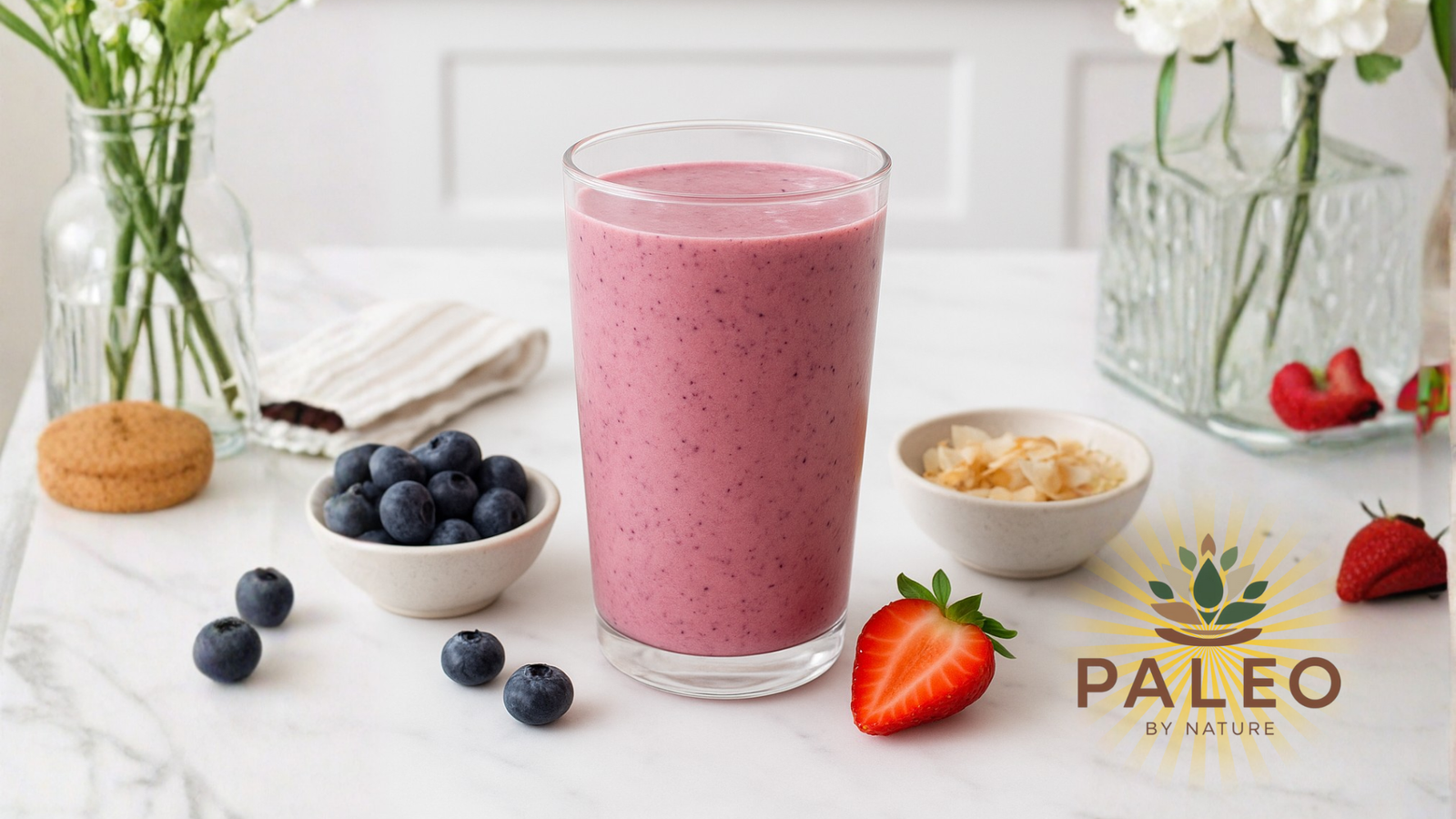
  • Berry Coconut Smoothie

    Berry Coconut Smoothie

    Refreshing, antioxidant-rich, and perfect for a morning boost or post-workout recovery.

    Ingredients:

    1 cup mixed berries

    1 cup coconut milk

    1 tbsp almond butter

    1 tsp chia seeds

    Instructions:

    Blend all ingredients until smooth.

    Serve immediately.

    AIP-Friendly Variant: Use pumpkin seed butter instead of almond butter.

    Mindful Eating Note:
    Notice the vibrant color, aroma, and natural sweetness — a small ritual that nourishes and energizes.
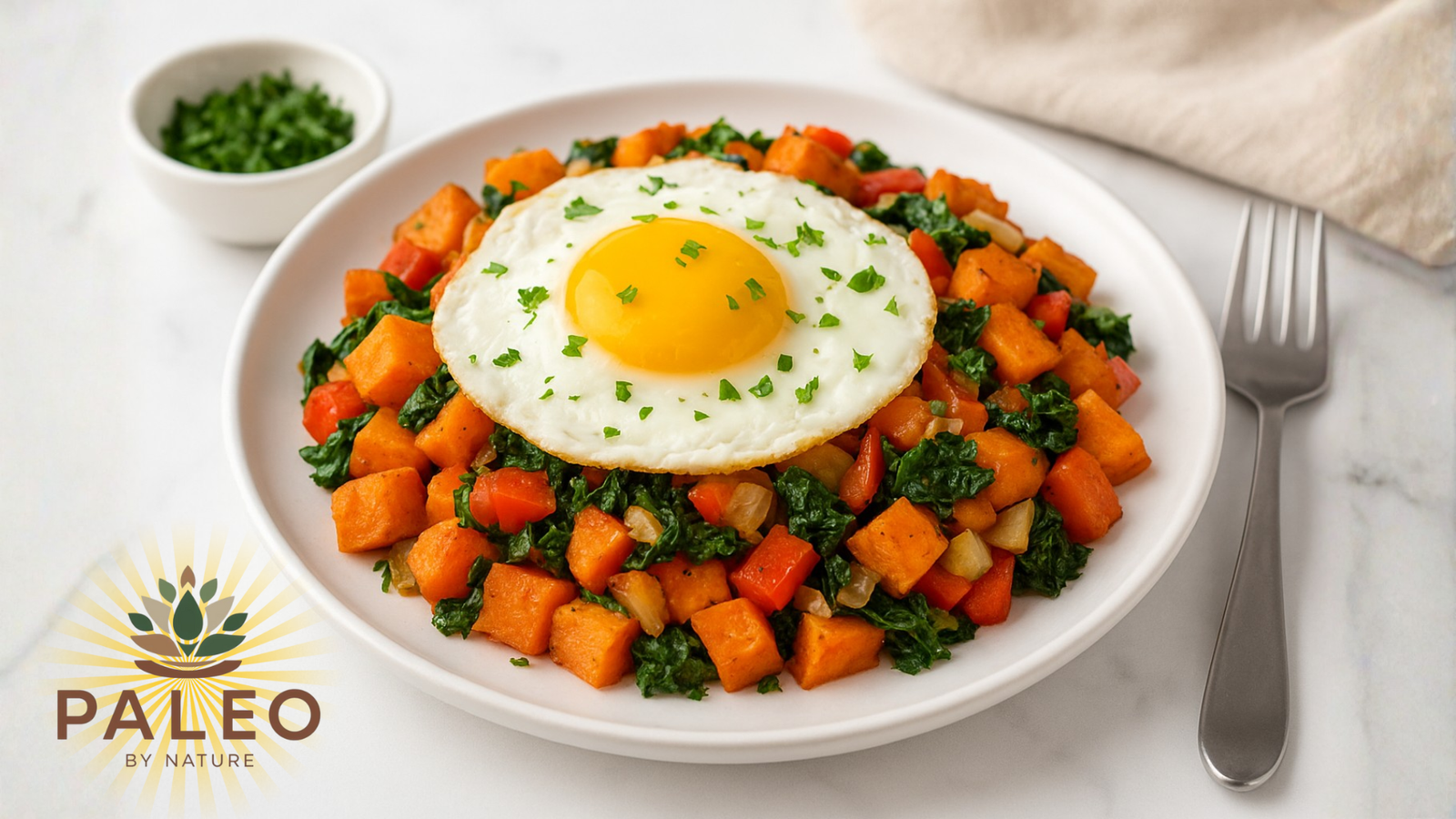
  • Sunrise Sweet Potato Hash

    Sunrise Sweet Potato Hash

    Kickstart your morning with this vibrant, energy-boosting hash. Sweet potatoes provide complex carbs for sustained energy, while sautéed veggies and protein keep you full and focused.

    Ingredients:

    2 medium sweet potatoes, diced

    1 red bell pepper, chopped

    1 small onion, chopped

    2 cloves garlic, minced

    2 cups kale, chopped

    1 tbsp coconut oil

    1 tsp sea salt

    1/2 tsp smoked paprika

    1/4 tsp black pepper

    2 eggs (omit for AIP variant or use collagen egg substitute)

    Instructions:

    Heat coconut oil in a large skillet over medium heat.

    Add sweet potatoes, onion, and bell pepper; cook 8–10 min until tender.

    Add garlic, kale, salt, paprika, and pepper; cook 2–3 min until kale wilts.

    Optional: Top with eggs, cooked to your preference.

    AIP-Friendly Variant: Omit eggs or use an approved egg substitute. Use sea salt and herbs instead of black pepper.

    Mindful Eating Note:
    Savor each bite slowly, noticing the natural sweetness of the potatoes and the warmth of the spices — a grounding way to start your day.
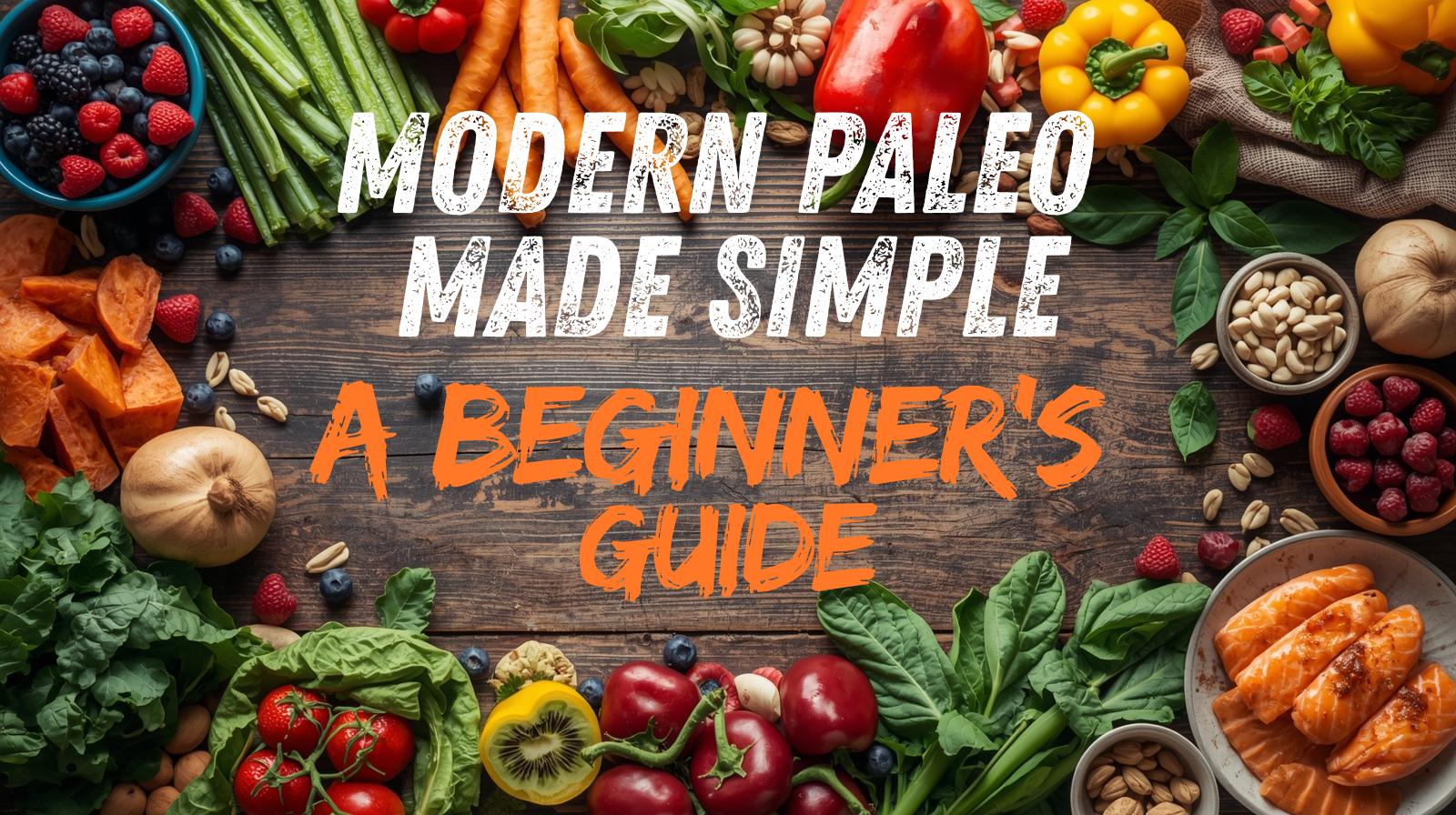
  • Modern Paleo Made Simple: A Beginner’s Guide

    Modern Paleo Made Simple: A Beginner’s Guide

    Starting a Paleo lifestyle can feel overwhelming — new ingredients, new cooking methods, and a sea of rules. But it doesn’t have to be complicated. Modern Paleo is about nourishing your body, restoring energy, and enjoying your meals — not chasing perfection.


    1️⃣ What is Modern Paleo?

    Modern Paleo focuses on whole, unprocessed foods inspired by ancestral diets — vegetables, fruits, meats, fish, nuts, seeds, and healthy fats — while avoiding grains, dairy, legumes, and processed sugar.

    2️⃣ AIP-Friendly Adjustments

    For autoimmune-friendly needs, swap eggs, nightshades, and nuts with approved alternatives:

    Use pumpkin seeds instead of almonds

    Replace nightshades with squash or cauliflower

    Omit eggs or use gelatin-based substitutes

    3️⃣ Getting Started in the Kitchen

    Stock your pantry with essentials (coconut oil, ghee, herbs, spices).

    Start simple: choose 3–5 favorite recipes and rotate them.

    Batch cook proteins and roasted vegetables for quick meals.

  • Nourish Your Soul: The Healing Power of Ancestral Recipes

    Nourish Your Soul: The Healing Power of Ancestral Recipes

    Food as Medicine

    At Paleo By Nature, we recognize that food is much more than just fuel; it’s a source of healing, happiness, and community. Our approach is guided by ancestral wisdom, which emphasizes the importance of whole, natural ingredients that resonate with the rhythms of nature. By incorporating these ancient practices into modern wellness, we not only nourish our bodies but also restore our energy and sense of balance.

    Recipes for Empowerment

    Our curated recipes are strictly paleo at their core, ensuring that you receive the benefits of gluten-free, grain-free, and keto-friendly options. Each recipe is designed with thoughtful alternatives for those with autoimmune conditions, allowing you to adapt and enjoy without compromising your health. Whether you are looking to nourish your body or simply delight your taste buds, our recipes empower you to thrive!

    Embrace Ancestral Wisdom

    Embracing the rituals of cooking and sharing food is an essential aspect of our philosophy. We believe that these practices strengthen our connection to community and tradition, helping us to feel balanced and empowered. At Paleo By Nature, we invite you to explore our recipes and discover how simplifying your diet can lead to a more fulfilled life.

  • Nourish Your Body: The Power of Paleo Cooking

    Embracing the Paleo Lifestyle

    At Paleo by Nature, we believe that food transcends its role as mere fuel. It embodies medicine, rituals, and the love we share with one another. By embracing a paleo diet, you take a step towards nourishing your body with wholesome ingredients that honor our ancestors’ ways of eating.

    Healing Through Nutrition

    Paleo recipes are thoughtfully crafted to restore your energy and promote balance. Our approach integrates ancestral wisdom with modern wellness practices, enabling you to feel empowered and vibrant. Each recipe is designed to be strict paleo at its core, offering a delightful experience that aligns with your health goals.

    Adaptable Recipes for Everyone

    Whether you are gluten-free, grain-free, or following a keto-friendly diet, our collection of recipes caters to various dietary needs. We include thoughtful alternatives for autoimmune-friendly requirements, allowing you to adapt each dish without compromise. At Paleo by Nature, our commitment is to ensure that everyone can enjoy delicious, nourishing meals that support their unique lifestyles.