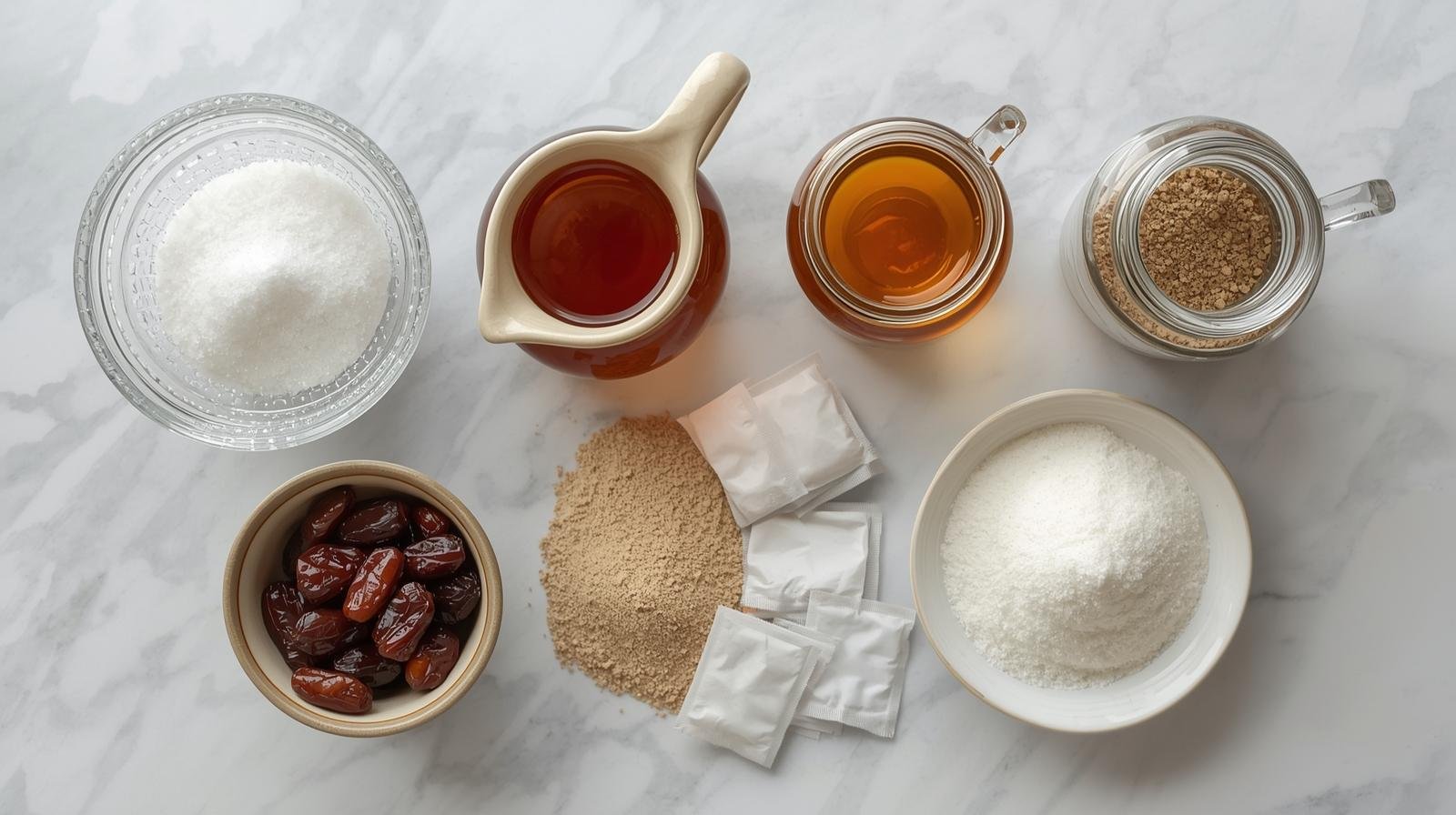
The Paleo diet emphasizes consuming foods that would have been available to our Paleolithic ancestors, which generally means focusing on whole, unprocessed foods. When it comes to sweeteners, the Paleo diet allows for some natural options, while others are to be avoided because they do not align with the diet’s core principles.
Sweeteners Allowed on the Paleo Diet
- Honey
- Why It’s Allowed: Honey is a natural sweetener that has been used for centuries and is one of the few sweeteners considered acceptable on the Paleo diet. It is minimally processed and contains trace amounts of vitamins, minerals, and antioxidants. However, it should be consumed in moderation due to its high fructose content, which can impact blood sugar levels.
- Maple Syrup
- Why It’s Allowed: Like honey, maple syrup is a natural sweetener made from the sap of maple trees. It contains some minerals like calcium and potassium, as well as antioxidants. Because it is less processed than many other sweeteners, it is occasionally used in Paleo recipes. Moderation is key, as it still has a high sugar content.
- Coconut Sugar
- Why It’s Allowed: Coconut sugar is derived from the sap of coconut palm flowers. It is less refined than granulated sugar and retains some nutrients from the coconut palm, including iron, zinc, and potassium. Despite these benefits, it’s still a form of sugar and should be used sparingly.
- Date Sugar
- Why It’s Allowed: Made from dried dates, date sugar is a whole-food sweetener that retains fiber and nutrients found in dates. It has a lower glycemic index compared to refined sugars, making it a suitable option for Paleo followers seeking a natural sweetener.
Sweeteners Not Allowed on the Paleo Diet
- Cane Sugar
- Why It’s Not Allowed: Cane sugar, also known as table sugar, is highly processed and stripped of nutrients. It provides empty calories and can contribute to health issues like obesity, diabetes, and heart disease, which the Paleo diet aims to prevent.
- Beet Sugar
- Why It’s Not Allowed: Similar to cane sugar, beet sugar is processed and refined, offering no nutritional benefits. It is considered an industrial sweetener that would not have been available to Paleolithic humans.
- Agave Nectar
- Why It’s Not Allowed: While often marketed as a healthy alternative to sugar, agave nectar is highly processed and contains a high level of fructose, which can adversely affect liver function and insulin sensitivity. Its manufacturing process is far removed from what would have been available during the Paleolithic era.
- Artificial Sweeteners (e.g., Aspartame, Sucralose)
- Why They’re Not Allowed: Artificial sweeteners are chemically synthesized and highly processed, which goes against the Paleo diet’s emphasis on natural, whole foods. They can also have negative health effects and are not considered beneficial for those following a Paleo lifestyle.
- Considerations for Erythritol and Stevia
- Erythritol
- Why It’s Generally Not Allowed: Erythritol is a sugar alcohol that is often found in low-calorie and low-carbohydrate products. While it is a natural compound, the process of extracting and refining erythritol makes it highly processed. This goes against the Paleo diet’s emphasis on minimally processed foods. Additionally, some people may experience digestive discomfort when consuming sugar alcohols.
- Stevia
- Why It’s Sometimes Considered: Stevia is a natural sweetener derived from the leaves of the Stevia rebaudiana plant. It is much sweeter than sugar and contains zero calories. Stevia is less processed than some other non-caloric sweeteners, but its acceptance in the Paleo community varies. Pure stevia extract, without additives or fillers, is sometimes used by Paleo followers who wish to minimize sugar intake. However, it’s essential to choose stevia products that are as unprocessed as possible.
- Erythritol
Conclusion:
When following a Paleo diet, it’s important to focus on minimally processed, natural sweeteners in moderation. While options like honey, maple syrup, coconut sugar, date sugar, and occasionally stevia are included, it’s crucial to be mindful of their sugar content and potential impact on health. Erythritol and highly processed sweeteners typically do not fit within Paleo guidelines. By prioritizing whole foods and limiting sweetener use, individuals can better align with the principles of the Paleo diet and support overall health and well-being.
Leave a Reply