Tag: sweetener

  • Allulose and the Paleo Diet

    Allulose and the Paleo Diet

    • Allulose is a relatively new sweetener on the market, often touted for its low-calorie content and minimal impact on blood sugar levels. However, its place within the Paleo diet is a topic of debate. To understand whether allulose aligns with Paleo principles, let’s explore its characteristics and how it fits into this dietary framework.

    • What is Allulose?
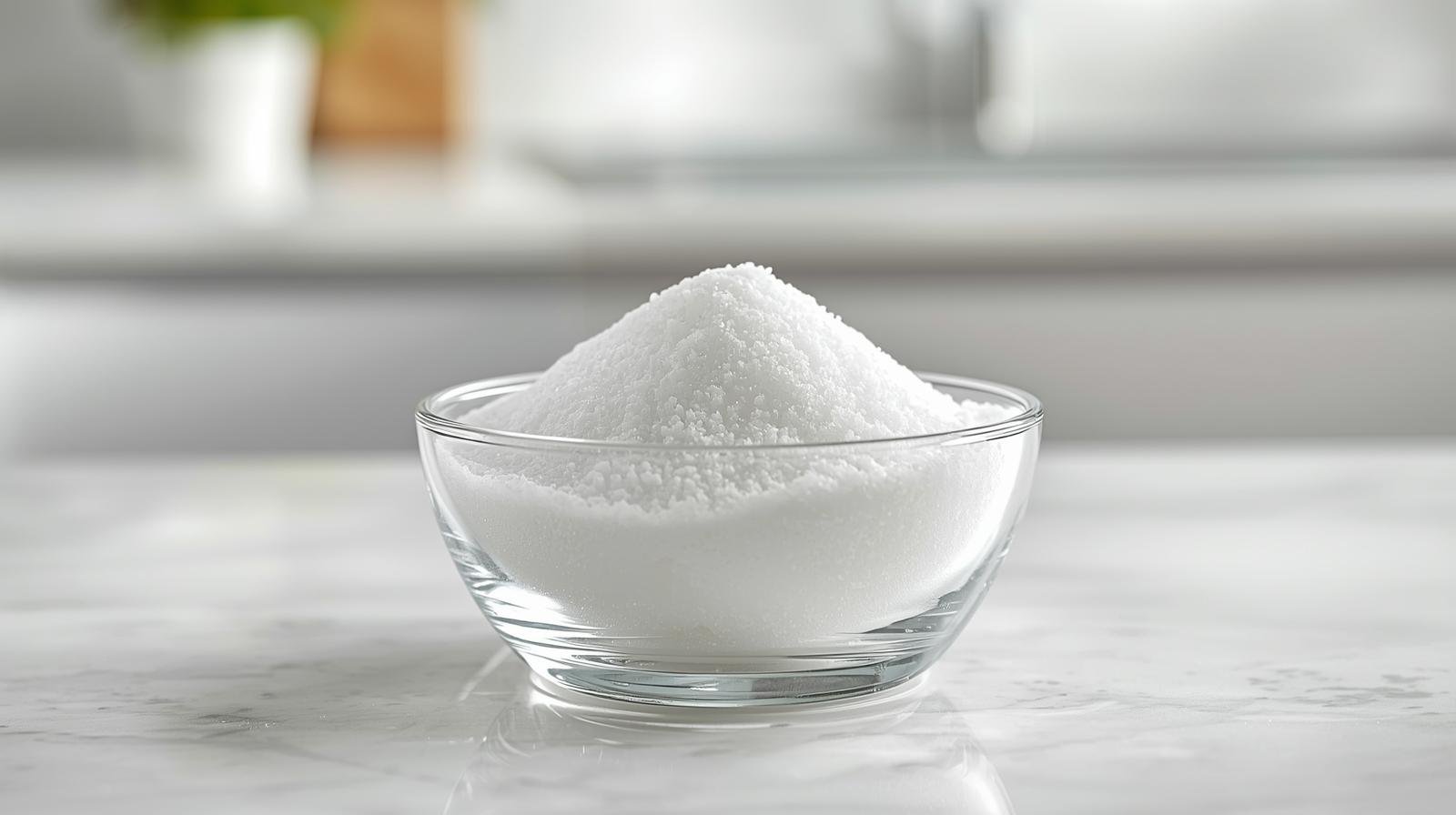
    • Allulose is a type of sugar found naturally in small quantities in some fruits, such as figs and raisins. It is classified as a “rare sugar” due to its limited presence in nature. Despite being a sugar, allulose provides about 90% fewer calories than sucrose (table sugar) and has a negligible effect on blood glucose and insulin levels, making it appealing for those looking to reduce sugar intake.

    • Considerations for Allulose on the Paleo Diet
      • Processing and Extraction
        • Why It’s Generally Not Allowed: Allulose is typically extracted and refined in a process that is more industrial than natural. This level of processing does not align with the Paleo diet’s emphasis on consuming whole, unprocessed foods that would have been available to our ancestors. The Paleo diet typically avoids ingredients that require significant industrial processing, which is the case with allulose.
      • Natural Occurrence vs. Industrial Production
        • Natural Presence: While allulose does occur naturally in some fruits, the quantities are too small for practical extraction. As a result, the allulose available in stores is often produced through the enzymatic conversion of fructose, derived from sources like corn. This industrial production method contrasts with the Paleo philosophy of sourcing foods as close to their natural state as possible.
      • Health and Digestive Considerations
        • Possible Digestive Effects: Allulose is generally well-tolerated in small amounts, but some individuals may experience digestive discomfort, such as bloating or diarrhea, especially when consumed in larger quantities. This potential for digestive issues is a consideration for those following a Paleo lifestyle, which emphasizes gut health.

    • Conclusion
    • Allulose’s industrial production and processing make it less suitable for the Paleo diet, which prioritizes natural, minimally processed foods. While it offers a low-calorie alternative to traditional sugars, its alignment with Paleo principles is questionable. Those following a strict Paleo lifestyle may choose to avoid allulose in favor of more traditional natural sweeteners like honey or maple syrup, which are less processed and more in line with the diet’s foundational goals.
    • Ultimately, the decision to include allulose in a Paleo diet should be based on individual preferences and health goals. Consulting with a healthcare professional or a nutritionist can provide personalized guidance on incorporating sweeteners within a Paleo framework while maintaining overall health and well-being.
    • If you determine that Allulose is a good choice for you, here is a link to one of this author’s favorite allulose.

  • Stevia on the Paleo Diet

    Stevia on the Paleo Diet

    Stevia is a natural sweetener derived from the leaves of the Stevia rebaudiana plant, and its use within the Paleo diet is often a subject of debate. While stevia is considered a more natural option compared to artificial sweeteners, the form in which it is used can significantly impact its alignment with Paleo principles.

    Dried Leaf Stevia vs. Processed Extracts

    Dried Leaf Stevia

    • Why It’s Preferred: Dried leaf stevia is the least processed form of the plant and retains the natural composition of the leaves. This form is more aligned with the Paleo diet’s focus on whole, unprocessed foods. Dried leaves can be used to sweeten beverages or dishes by steeping them, similar to tea, or by grinding them into a powder.
    • Considerations: The flavor of dried leaf stevia can be quite strong and may not dissolve as easily as more processed forms. It’s important to use it sparingly to avoid an overpowering taste.
    • Here are links to get you started: Dried leaves, Powdered leaves

    Processed Stevia Extracts

    • Why It’s Controversial: Stevia extracts, such as those found in commercial powders and liquid sweeteners, often undergo significant processing. Some products may contain additional ingredients like alcohol or other fillers, which can detract from the natural purity that the Paleo diet values.
    • Considerations: While pure stevia extract can be a convenient and potent sweetener, it is crucial to select products that do not contain additives or artificial components. Reading labels carefully can help ensure that the stevia product remains as close to its natural form as possible.

    Taste Considerations

    One common criticism of stevia is its distinct taste, which some people find to be slightly bitter or licorice-like. This flavor can be off-putting for those not accustomed to it. However, there are ways to mitigate this issue:

    • Mixing with Other Paleo Sweeteners: To balance the taste, stevia can be combined with other Paleo-friendly sweeteners, such as honey, maple syrup, date sugar or coconut sugar. This combination can create a more palatable sweetness and reduce the need for larger quantities of stevia, minimizing any aftertaste.

    Conclusion

    Stevia can be a suitable sweetener for the Paleo diet when used in its least processed form and with consideration for taste preferences. While dried leaf stevia is more closely aligned with Paleo principles, those opting for extracts should choose products with minimal processing and no additives. By experimenting with different combinations and quantities, individuals can find a sweetening solution that aligns with both the Paleo lifestyle and personal taste preferences.